
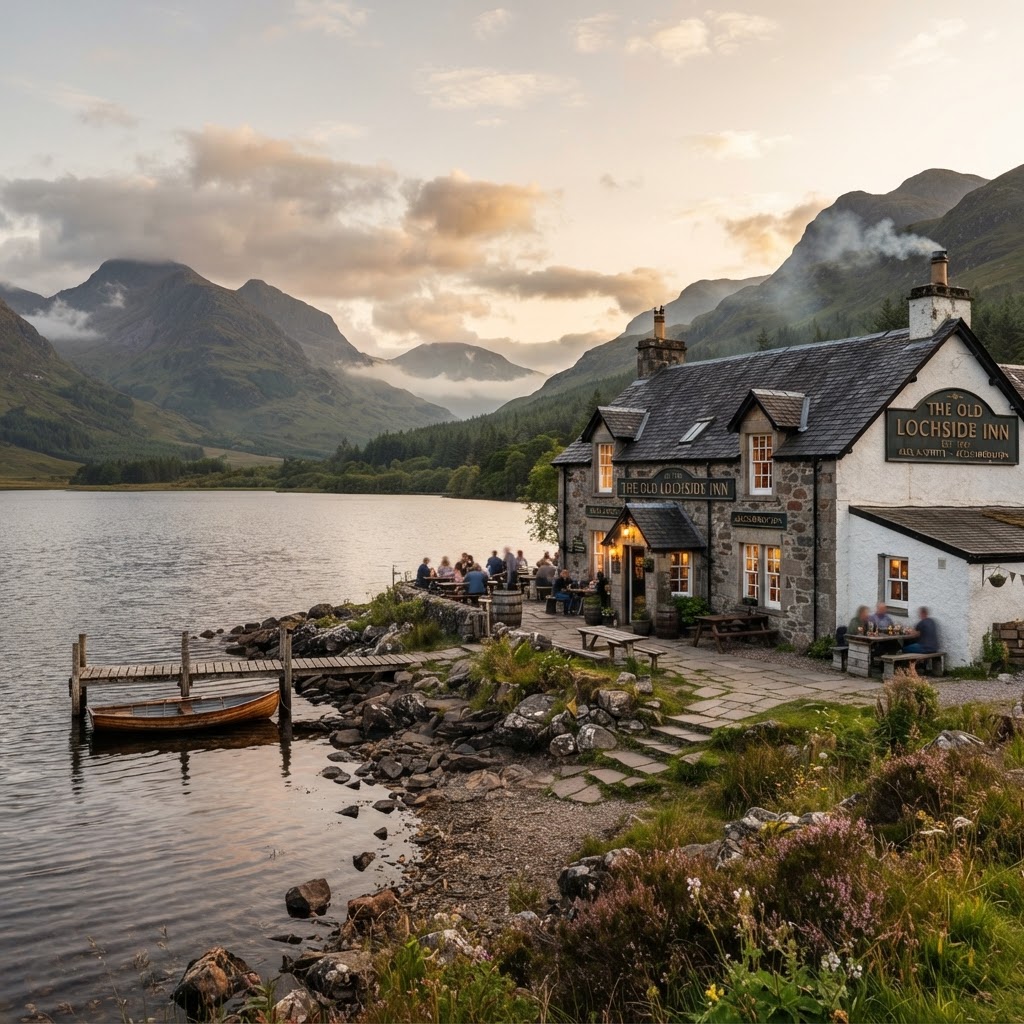
To buy a lochside pub in Scotland is to invest in a unique waterfront niche that captivates with scenic views and draws tourists year-round. From the tranquil shores of Loch Lomond to the legendary waters of Loch Ness, these pubs offer not only picturesque settings but also diverse revenue streams through water-based activities. However, owning a lochside pub comes with its own set of challenges, including flood risks, seasonal fluctuations, and strict environmental compliance. This guide is tailored specifically for those interested in lochside-specific considerations, providing essential insights distinct from general pub purchases. For broader guidance on pub buying in Scotland, visit our Scotland pub buying guide.
Key Takeaways
- Understand the unique appeal and market dynamics of lochside pubs in Scotland.
- Learn the step-by-step process of purchasing a lochside pub, from initial research to closing the deal.
- Navigate the legal and regulatory landscape with ease to ensure compliance.
- Discover financial strategies and funding options tailored for hospitality investments.
- Avoid common pitfalls with insights from industry experts.
- Explore related FAQs to deepen your understanding of the Scottish hospitality market.
- Access Stay4Hospitality's tools and resources to facilitate your investment journey.
What Makes Lochside Pubs in Scotland a Unique Investment?
What Makes Lochside Pubs in Scotland a Unique Investment?
Investing in a lochside pub in Scotland offers a distinctive blend of opportunities that set these properties apart from standard rural hospitality venues. The combination of waterfront location premium, tourism magnetism, and operational complexity creates a unique investment profile worth understanding in detail.
Scenic waterfront positioning delivers measurable commercial advantage. Properties on Loch Lomond, Loch Ness, and Loch Tay command sale prices typically 10-25% above comparable inland rural pubs, reflecting the premium buyers place on water views and direct lochside access. Average lochside pub sale prices range from £380,000 to £650,000, with established waterfront venues achieving EBITDA multiples of 3.5-5x—notably higher than the 2.5-3.5x typical for inland rural properties. This premium reflects both the scarcity of waterfront sites and their proven ability to attract higher-spending visitors.
These venues benefit from marine tourism seasonality patterns distinct from general rural hospitality. Lochside pubs see pronounced summer peaks driven by water sports enthusiasts, cruise passengers (particularly on Loch Lomond and Loch Katrine), and scenic touring routes. Spring and autumn shoulder seasons remain strong due to hiking and photography tourism, while winter trade depends heavily on proximity to ski areas or year-round attractions like Loch Ness. Understanding these patterns is essential for cash flow modeling and staffing decisions.
Waterfront access rights represent a critical due diligence consideration unique to lochside properties. Scottish access laws grant public rights to most inland water, but commercial operators must verify riparian rights (ownership to the water's edge), mooring permissions, and any restrictions on commercial water-based activities. Properties offering boat launches, kayak hire, or waterside dining require clear documentation of these rights, as they significantly enhance revenue potential and property value.
Flood risk assessment is non-negotiable for lochside investments. Prospective buyers must consult SEPA (Scottish Environment Protection Agency) flood maps to understand historical flood events and projected climate-related risks. Properties in flood zones may face higher insurance premiums (often 15-40% above standard rural rates), require flood defense investments, or limit financing options. Some lenders apply stricter loan-to-value ratios for properties in medium or high-risk flood zones, affecting acquisition financing.
While lochside pubs share many characteristics with other remote Scottish hospitality businesses—including isolation economics, seasonal staffing challenges, and supply chain complexities covered in our Scotland rural pub investment guide—the waterfront dimension introduces specific operational considerations. These include maintaining outdoor waterside areas to capitalize on views, managing weather-dependent trade fluctuations, and potentially operating seasonal water-based activities that require additional licensing and insurance.
The historical and cultural significance of many lochside properties amplifies their marketing appeal. Venues with documented connections to clan history, literary heritage (particularly around Loch Katrine and the Trossachs), or traditional industries like whisky distilling can command premium pricing and attract heritage tourists willing to spend 20-35% more per visit than general tourists. This narrative value, combined with Instagram-worthy waterfront settings, creates powerful organic marketing advantages in an increasingly digital tourism landscape.
How Do I Begin the Process of Buying a Lochside Pub?
How Do I Begin the Process of Buying a Lochside Pub?
Purchasing a lochside pub in Scotland offers unique opportunities, thanks to its scenic views and potential for attracting tourists. Here's how to start this specific journey:
1. Identify Lochside Properties
Begin by utilizing the Stay4Hospitality lochside filters to find available waterfront properties. This tool allows you to refine your search based on crucial factors such as location, size, and price, ensuring you focus on properties that meet your strategic investment criteria.
2. Verify Shoreline Access
Access to the shoreline is a significant selling point for lochside pubs. Verify that the property offers direct access to the loch, as this can enhance its appeal to visitors looking for water-based activities. Confirm access rights and any restrictions that may apply.
3. Check SEPA Flood Zone Classifications
Scotland's weather can be unpredictable, and lochside properties are often in areas prone to flooding. Check the Scottish Environment Protection Agency (SEPA) flood zone classifications for your potential property. Understanding the flood risk will inform your insurance needs and any necessary property modifications.
4. Assess Marine and Water-Based Activity Licensing Potential
Consider the potential for offering marine activities, such as boat rentals or fishing tours, which can significantly boost your pub's revenue. Investigate the licensing requirements for these activities, as well as any environmental regulations that must be adhered to.
5. Conduct Initial Due Diligence
Due diligence is crucial in any property purchase. For lochside pubs, this includes evaluating financial statements, current management, and customer demographics. Use our FAQ on what hotel buyers look for before making an offer to guide your initial assessments.
For a comprehensive overview of the general pub buying process in Scotland, refer to our Pubs for Sale Scotland 2026 Guide.
These steps ensure that you're well-prepared to make a strategic investment in a lochside pub, leveraging its unique location to maximize profitability and appeal.
What Are the Legal Requirements for Buying a Pub in Scotland?
What Are the Legal Requirements for Buying a Lochside Pub in Scotland?
Purchasing a lochside pub in Scotland involves unique regulatory considerations beyond the standard licensing requirements. While a premises license under the Licensing (Scotland) Act 2005 is essential for selling alcohol, lochside properties demand additional attention to environmental and conservation regulations.
SEPA Environmental Permits
Operating a pub near a loch requires compliance with environmental regulations enforced by the Scottish Environment Protection Agency (SEPA). If your pub includes waterfront operations, such as a jetty or outdoor seating on the loch, you may need specific permits to ensure environmental protection. These permits are crucial for maintaining water quality and protecting local ecosystems.
Shoreline Development Restrictions
The Highland Council or other relevant local authorities impose restrictions on developments along shorelines. If you plan to expand or modify structures near the loch, you must adhere to these guidelines to preserve the natural landscape and comply with local planning policies. Engaging with local planning departments early in the process can facilitate smoother approvals.
Water Activity Licensing
If your lochside pub offers water-based activities like boat hire or water sports, you will need appropriate licensing. This includes ensuring safety measures are in place and obtaining permissions from the local council or relevant authorities to operate such activities legally.
Riparian Rights and Loch Access Agreements
Understanding riparian rights is essential for lochside properties. These rights govern the use of water bodies adjacent to your property. You may need to negotiate loch access agreements with neighboring landowners or local councils to ensure legal access for customers and operational activities.
Conservation Area Designations
Many lochside pubs are located within conservation areas, such as the Loch Lomond & The Trossachs National Park. These areas have stringent planning constraints to protect natural beauty and biodiversity. Any alterations or expansions to your property must comply with these conservation guidelines, which often require additional planning permissions and environmental assessments.
Expert Guidance and Context
Navigating these legal requirements can be complex, especially for properties with unique environmental and historical considerations. Consulting with a solicitor experienced in Scottish commercial property law is advisable. They can provide tailored advice and facilitate compliance with all necessary regulations, ensuring a seamless transaction process.
Related Questions
- What are the key financial considerations when investing in a lochside pub?
- How does the Scottish hospitality market impact lochside pub investments?
For more detailed guidance on purchasing pubs in Scotland, visit our Pubs for Sale Scotland Guide or explore our Valuation Tools to assess potential investments.
How Can I Finance My Purchase of a Lochside Pub?
How Can I Finance My Purchase of a Lochside Pub?
Financing the acquisition of a lochside pub in Scotland involves unique considerations due to its picturesque yet potentially challenging location. Here's a detailed guide to help you navigate the financing process effectively.
What Are the Key Financing Considerations?
-
Higher Deposit Requirements: Due to the increased flood risk associated with waterfront properties, lenders often require a higher deposit, typically ranging from 30% to 40% of the property's value. This ensures that the investment remains secure despite the potential environmental risks.
-
Specialist Lenders: Consider approaching lenders who specialize in rural or waterfront hospitality properties. These institutions are more attuned to the unique challenges and opportunities of lochside investments, offering tailored loan solutions.
-
Seasonal Revenue Patterns: The seasonal nature of tourism in Scotland affects the cash flow of lochside pubs. Lenders will evaluate your business plan's ability to manage these fluctuations, impacting the loan-to-value (LTV) ratio they offer. Calculate potential returns accounting for seasonal occupancy patterns using our ROI Calculator.
Typical Loan Terms and Interest Rates
- Interest Rates: For waterfront hospitality properties, interest rates typically range between 5.5% and 7.2%.
- Loan Terms: Expect average loan terms to span 15 to 20 years, providing a reasonable timeframe to manage repayments alongside business growth.
Alternative Financing Options
-
Private Investors: Partnering with private investors or forming a business partnership can be an effective way to secure funding. This approach often involves offering equity in exchange for capital, which can lead to more favorable terms compared to traditional loans.
-
Government Incentives: Explore programs like the Rural Business Investment Scheme, which may offer grants or low-interest loans to businesses that contribute to local economic development.
-
Crowdfunding: If your pub has a compelling story or strong community ties, crowdfunding can provide both financial support and a loyal customer base.
Expert Guidance and Tools
Engage with a financial advisor specializing in the hospitality sector to develop a financing strategy that aligns with your goals. Additionally, ensure you get an accurate valuation of your target lochside property before approaching lenders by using our Property Valuation Tool.
Broader Context and Resources
For a comprehensive overview of hospitality financing, refer to our FAQ on the Costs of Buying a Hotel. This resource provides valuable insights into the broader financial landscape of the hospitality industry.
By understanding these specific financing considerations and leveraging available resources, you can secure the necessary funding to purchase and successfully operate a lochside pub in Scotland. For further guidance on navigating the Scottish pub market, explore our Pubs for Sale Scotland 2026 Guide and Scotland Rural Pub Investment Guide 2026.
What Are Common Mistakes to Avoid When Buying a Lochside Pub?
What Are Common Mistakes to Avoid When Buying a Lochside Pub?
Investing in a lochside pub in Scotland offers unique opportunities but also poses specific challenges that can derail even the most promising ventures. Here are the key pitfalls to avoid:
1. Underestimating Flood Insurance Costs
Lochside properties are particularly vulnerable to flooding, which can lead to insurance premiums that are 3-5 times higher than standard rates. Before purchasing, consult with insurance experts to understand the full scope of potential costs and ensure your budget can accommodate these expenses.
2. Ignoring Seasonal Cash Flow Extremes
Lochside pubs often experience dramatic seasonal fluctuations, with up to 80% of annual revenue generated between May and September. Failing to plan for the leaner months can strain finances. Develop a robust financial strategy that includes:
- Cash reserves to cover off-season expenses.
- Marketing campaigns targeting local patrons during quieter periods.
- Event planning to attract visitors year-round.
3. Failing to Verify Shoreline Access Rights
Access to the shoreline can be a significant draw for customers but verifying legal access rights is crucial. Ensure that:
- Deeds and legal documents confirm access rights.
- There are no disputes or restrictions that could limit customer enjoyment.
4. Overlooking SEPA Environmental Compliance Costs
The Scottish Environment Protection Agency (SEPA) enforces strict regulations on waterfront properties. Compliance can incur additional costs, including:
- Permits for water use and waste management.
- Environmental impact assessments.
- Ongoing monitoring and reporting obligations.
5. Not Accounting for Higher Maintenance Costs
Waterfront buildings face unique wear and tear due to salt air and moisture damage. Maintenance costs can be significantly higher than for inland properties. Prepare for:
- Regular inspections and repairs to prevent structural damage.
- Specialized materials that withstand harsh conditions.
- Increased frequency of renovations due to accelerated wear.
Successfully navigating these challenges requires thorough research, strategic planning, and a clear understanding of the lochside market. For more insights on Scottish pub investments, visit our Pubs for Sale Scotland 2026 Guide and explore our Valuation Tools to assess potential investments accurately.
What Expert Strategies Can Enhance My Investment Success?
What Expert Strategies Can Enhance My Investment Success?
Investing in a lochside pub in Scotland offers unique opportunities to capitalize on the stunning natural scenery and water-based activities. Here’s how you can strategically enhance your investment success:
1. Leverage Water Views for Premium Pricing
One of the most significant advantages of a lochside location is the ability to charge premium rates. Properties with water views often command 15-30% higher prices compared to inland counterparts. To capitalize on this:
- Highlight the scenic views in your marketing materials.
- Design outdoor spaces, such as patios or decks, to maximize the view and create a premium dining experience.
2. Develop Water-Based Activities
Enhance your pub’s appeal by offering unique water-based experiences. These can attract both tourists and locals:
- Provide kayak or canoe rentals directly from your property.
- Offer fishing permits for enthusiasts looking to enjoy the loch.
- Partner with local operators to offer boat tours showcasing the natural beauty of the area.
3. Partner with Touring Routes
Aligning with popular touring routes like the North Coast 500 can significantly increase foot traffic:
- Collaborate with tour operators to include your pub as a recommended stop.
- Offer exclusive deals or packages for tour participants.
- Feature prominently on route maps and guides to attract more visitors.
4. Maximize Shoulder-Season Bookings
Lochside pubs can extend their revenue potential beyond the peak tourist season by focusing on unique off-season experiences:
- Create aurora viewing packages during the winter months.
- Develop winter sports packages, such as ice fishing or nearby skiing excursions.
- Offer cozy, themed events like whisky tasting nights to attract guests during colder months.
5. Diversify and Optimize Revenue Streams
Beyond traditional pub offerings, consider additional income opportunities:
- Host private events such as weddings or corporate retreats, which can be especially appealing with a scenic backdrop.
- Offer accommodation options, like B&B services, to attract overnight guests and increase stay duration.
By implementing these strategies, you can significantly enhance your lochside pub's appeal and profitability. For detailed financial planning, consider using our ROI Calculator to model different seasonal revenue scenarios and optimize your investment.
For more insights on rural pub investments, check out our Scotland Rural Pub Investment Guide 2026. This will provide broader context and strategies relevant to rural settings.
By focusing on these lochside-specific strategies, you can differentiate your investment from general rural pub strategies and capitalize on the unique advantages of a waterfront location.
What Are the Current Market Trends and Data for Lochside Pubs?
What Are the Current Market Trends and Data for Lochside Pubs?
Understanding the current market conditions is essential for investors aiming to buy a lochside pub in Scotland. With specific data and trends for 2026, here's an insightful overview.
Market Overview
As of 2026, the demand for lochside pubs in Scotland continues to thrive, driven by:
- Increasing interest in rural tourism and authentic local experiences.
- A growing trend towards eco-friendly and sustainable tourism, attracting environmentally conscious visitors.
Current Data and Trends
-
Average Sale Prices by Region:
- Loch Lomond Corridor: £520k-£780k
- Loch Ness Area: £450k-£650k
- Smaller Highland Lochs: £280k-£420k
-
Transaction Volumes: Annually, Scotland-wide, there are approximately 18-24 lochside pub sales, reflecting a stable market with consistent interest.
-
Typical EBITDA Multiples: Investors can expect EBITDA multiples ranging from 3.5 to 5x, indicating robust profitability potential.
-
Year-on-Year Price Appreciation: Prime lochside locations are experiencing a 4-7% price appreciation from 2024 to 2026, highlighting the increasing value of these investments.
Specific Market Insights
-
Premium Locations: Properties on Loch Lomond command a 20-35% premium over comparable Loch Tay venues, primarily due to their proximity to Glasgow, enhancing accessibility and tourist appeal.
-
Waterfront-Specific Trends:
- Eco-Tourism Venues: There's a growing demand for pubs that offer eco-friendly experiences, such as sustainable dining options and green accommodations.
- Wild Swimming Culture: The rising popularity of wild swimming in lochs is boosting foot traffic to nearby pubs, offering unique marketing opportunities.
- NC500 Route Spillover: The North Coast 500 route continues to drive tourism, with lochside pubs benefiting from increased visitor numbers.
Investment Insights
-
ROI Expectations: Investors can anticipate an annual return on investment (ROI) of 8-12%, with well-managed properties achieving higher margins. Strategic location and unique offerings are key to maximizing returns.
-
Challenges and Opportunities:
- Environmental Regulations: Adherence to stringent environmental laws is essential, impacting operational costs but also enhancing the appeal to eco-conscious tourists.
- Technological Advancements: Leveraging innovations in hospitality tech can enhance guest experiences and streamline operations, providing a competitive edge.
Related Questions
- How does investing in a lochside pub differ from other rural pub investments? Explore the differences in our Rural Pub Investment Guide.
- What are the key steps to buying a pub in Scotland? Find out in our comprehensive guide.
Further Resources
For more detailed insights and assistance with valuation, visit our Valuation Tools and explore our Commercial Landing Pages for tailored investment opportunities.
Staying informed about these trends and data will empower investors to make educated decisions and capitalize on emerging opportunities in the Scottish lochside pub market.
What Are the Next Steps After Purchasing a Lochside Pub?
What Are the Next Steps After Purchasing a Lochside Pub?
Purchasing a lochside pub in Scotland is just the beginning of your journey into the hospitality sector. Here are lochside-specific steps to ensure your pub thrives:
Environmental Compliance and Licensing
- Register with SEPA: As a new pub owner, it’s essential to register with the Scottish Environment Protection Agency (SEPA) to ensure compliance with environmental regulations. This includes waste management and water usage, which are critical near lochs.
- Secure Water Activity Insurance: Given the unique lochside location, invest in comprehensive water activity insurance to cover any potential liabilities from water-based activities offered by your pub.
- Obtain Necessary Licenses: Ensure you have the right licenses for any water sports or activities you plan to offer. This may include boating or fishing licenses, depending on your offerings.
Flood Resilience Measures
- Implement Flood Protection: Given the proximity to water, assess and enhance your flood resilience. This could involve installing flood barriers, using water-resistant materials, and developing an emergency response plan.
Engage with Local Tourism Boards
- Join Regional Tourism Boards: Collaborate with organizations like Visit Loch Lomond and Visit Inverness Loch Ness to boost your pub’s visibility. These partnerships can help attract tourists and increase foot traffic.
Develop Waterfront Marketing Assets
- Create Captivating Visuals: Utilize the stunning lochside scenery in your marketing materials. High-quality photos and videos can be powerful tools in your digital and print campaigns.
- Highlight Unique Experiences: Market the unique experiences your lochside location offers, such as sunset views, local wildlife, and water-based activities.
Long-Term Value Building
- Plan for Future Resale: From the onset, consider strategies that enhance your pub’s value for future resale. This includes maintaining high standards of service, building a loyal customer base, and keeping the property well-maintained. For more on preparing for future sales, visit our best tips for selling your hotel.
Generic Post-Purchase Steps
- Operational Setup: Ensure all basic licenses and staff recruitment are in place. Focus on hiring local talent familiar with the region.
By focusing on these lochside-specific actions, you can position your pub as a unique and thriving destination in the Scottish hospitality market. For more insights into the broader Scottish pub market, explore our Pubs for Sale Scotland 2026 Guide and Scotland Rural Pub Investment Guide 2026.
Frequently Asked Questions
Related Resources
- Pubs for Sale Scotland 2026 Guide
- Cost of Buying a Pub in the Scottish Highlands
- Highland Pub Valuation Methods: Turnover Multiples, EBITDA Ratios and Asset-Based Pricing
- Scotland Rural Pub Investment Guide 2026
- Browse Scottish Pubs for Sale
- lochside pub shoreline access rights and Scottish Outdoor Access Code obligations
- wildlife habitat and SSSI conservation designations
- scenic view protection and development restrictions
- outdoor terrace and decking planning permission
- flood risk assessment and SEPA consultation requirements
- water activity licensing for kayak hire and boat tours
- boat mooring and jetty licensing with Marine Scotland
- fishing rights and riparian ownership verification
- How much does it cost to buy a hotel?
- What do hotel buyers look for before making an offer?
- What financing options are available for purchasing hospitality properties?
- Property Valuation Tool
- Hospitality ROI Calculator
Reader Feedback
Share your thoughts on "How to Buy a Lochside Pub in Scotland". Feedback is reviewed by AI and must relate to this topic before it's published.