
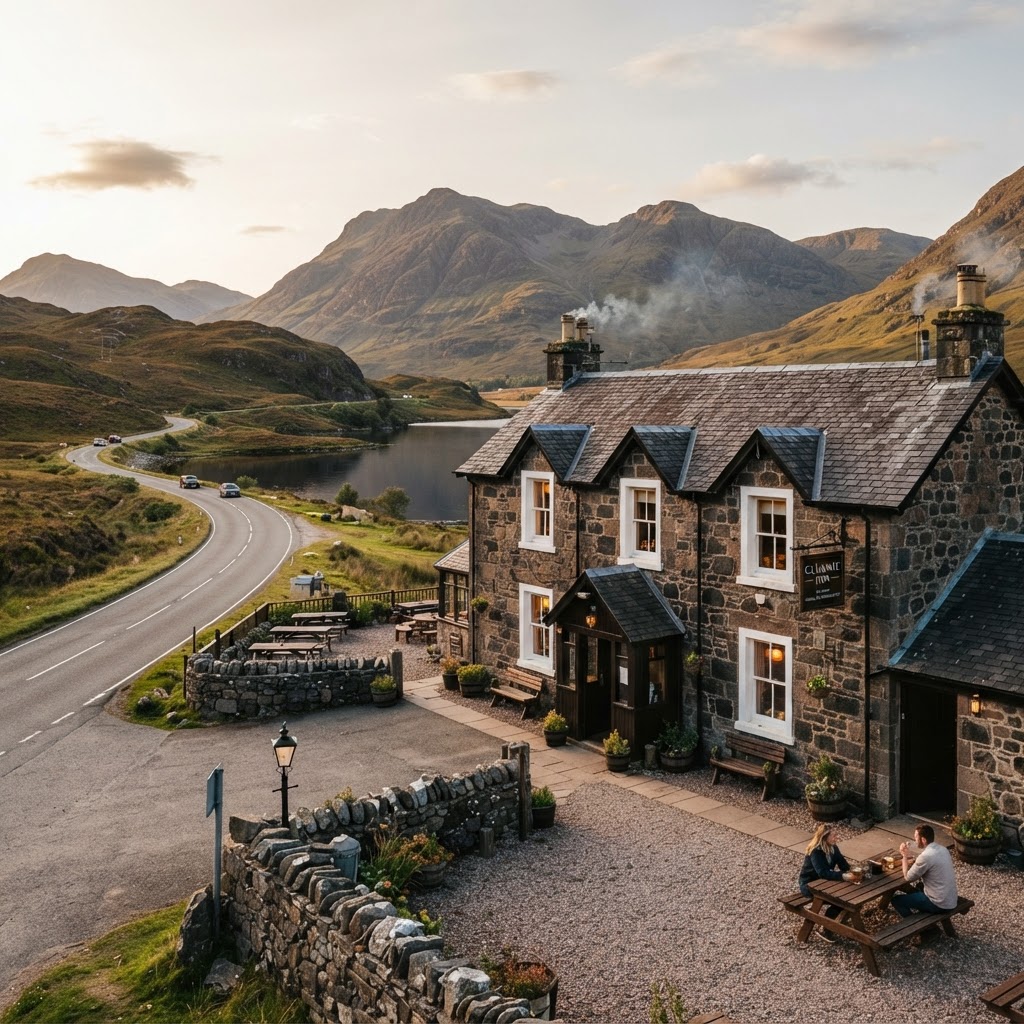
The cost of buying a pub in the Scottish Highlands can vary significantly, offering both challenges and opportunities for investors. This comprehensive guide by Stay4Hospitality is designed to answer your most pressing questions, from initial costs to legal requirements, ensuring you make an informed decision. Whether you're a seasoned investor or exploring the hospitality sector for the first time, understanding the nuances of purchasing a pub in this picturesque region is crucial. Read on to discover expert insights, financial tips, and strategic guidance tailored to the unique market of the Scottish Highlands.
Key Takeaways
- The cost of buying a pub in the Scottish Highlands can range from £250,000 to over £1 million, depending on location and amenities.
- Understanding local market trends and tourist seasons is essential for a successful investment.
- Legal compliance in Scotland includes specific licensing laws that differ from the rest of the UK.
- Financing options are available but require a solid business plan and financial projections.
- Investors should consider the potential for growth in tourism and local community engagement.
What is the Average Cost of Buying a Pub in the Scottish Highlands?
The cost of buying a pub in the Scottish Highlands can vary significantly based on multiple factors, including the pub's location, size, and available amenities. As of 2026, you can expect to pay anywhere from £300,000 to £750,000 for a mid-range pub. Premium locations or larger establishments with extensive facilities can exceed £1 million.
Factors Affecting Cost
- Location: Pubs in tourist-heavy areas like Inverness or near popular attractions, such as the Isle of Skye, tend to be more expensive due to higher foot traffic potential.
- Size: Larger pubs with more seating and function rooms will typically have higher price tags.
- Amenities: Properties with additional features like lodging, restaurants, or event spaces demand a premium.
- Condition: Newly renovated properties or those in excellent condition can command higher prices compared to those needing significant refurbishment.
Real-World Example
A traditional pub in a picturesque village such as Plockton might sell for around £500,000, whereas a pub in the bustling city of Inverness could be priced upwards of £750,000, reflecting its higher earning potential.
Understanding these dynamics is crucial for investors. Consider both immediate costs and long-term profitability when assessing potential purchases.
For further insights into property valuations, explore our Valuation Tools and Commercial Landing Pages for detailed listings.
How to Finance Your Pub Purchase in the Scottish Highlands
When considering financing options for purchasing a pub in the Scottish Highlands, a range of possibilities exist to suit different investment strategies and financial situations.
Financing Options
- Traditional Bank Loans: These remain a popular choice, offering competitive interest rates for those with strong credit histories. Typically, banks might require a down payment of 20% to 30% of the purchase price.
- Alternative Lenders: For those who might not meet traditional criteria, alternative lenders provide options, though often at higher interest rates.
- Government Grants and Incentives: Depending on the location and business plan, there may be grants available aimed at boosting local tourism or preserving historic properties.
Importance of a Robust Business Plan
A well-structured business plan is vital for securing financing. It should include:
- Market Analysis: Demonstrates understanding of local demand and competition.
- Financial Projections: Provides detailed forecasts of revenue, expenses, and profit.
- Operational Plan: Outlines how the pub will be managed and staffed.
Example Scenario
An investor looking to purchase a £500,000 pub might secure a £350,000 loan from a bank, supplemented by personal savings or an investor partner.
For more detailed guidance on financing your investment, explore our Supporting Pillar Pages and FAQ Pages.
What Legal Requirements Must You Meet When Buying a Pub in Scotland?
Navigating the legal landscape is crucial when purchasing a pub in Scotland. The regulatory framework ensures that pubs operate safely and legally.
Key Legal Requirements
- Licensing Laws: Scotland's licensing laws require that you apply for a premises license, which is specific to the sale of alcohol. Additionally, a personal license is needed for the individual responsible for alcohol sales.
- Health and Safety Regulations: Compliance with health standards is mandatory. This includes food hygiene certifications and regular health inspections.
- Property Transfer Process: Ensure all property deeds are correctly transferred. This involves the completion of missives (the Scottish equivalent of exchange of contracts) and registration with the Land Register of Scotland.
Licensing Costs and Timelines
- Premises License: Application fees can range from £200 to £2,000, depending on the rateable value of the property.
- Timeframe: Allow 8 to 12 weeks for license approval, subject to local authority schedules.
Example
A new pub owner in Fort William must ensure all licenses are in place before opening, including the necessary approvals from the local council.
For step-by-step guidance on meeting these requirements, visit our Related FAQ Pages.
What Are the Common Mistakes Investors Make When Buying a Pub?
What Are the Common Mistakes Investors Make When Buying a Pub in the Scottish Highlands?
Investing in a pub in the Scottish Highlands offers unique opportunities, but it also presents specific challenges that can catch even experienced investors off guard.
Highland-Specific Pitfalls
-
Underestimating the Impact of Winter Closures: The Scottish Highlands are known for harsh winter conditions, which often lead to temporary pub closures. This seasonal downtime can significantly impact annual revenue if not planned for. Investors must budget for these quieter months to ensure cash flow remains stable.
-
Failing to Verify Mobile Signal and Broadband Availability: Reliable communication infrastructure is crucial for modern business operations. Many remote areas in the Highlands suffer from poor mobile signal and limited broadband access, which can affect both operations and customer satisfaction. Ensure that you assess connectivity options before purchasing.
-
Ignoring Staff Accommodation Needs: Housing scarcity in remote Highland areas can make it challenging to secure accommodation for staff. Investors should consider properties with existing staff quarters or factor in the cost and logistics of providing housing.
-
Misjudging the Length of the Tourist Season: While the Highlands attract a substantial number of tourists, the peak season may be shorter than anticipated. Understanding the local tourist calendar and planning accordingly is vital for maximizing revenue during these periods.
-
Underestimating Accessibility Challenges: The rugged terrain and weather conditions can make certain areas difficult to access, especially during winter. This can affect supply deliveries and customer visits, so it’s crucial to consider the location's accessibility when making a purchase decision.
Real-World Example
An investor acquired a pub in Fort William without assessing the impact of limited broadband services, resulting in operational inefficiencies and customer complaints. This oversight highlighted the importance of verifying infrastructure availability.
Expert Tips
- Conduct Thorough Due Diligence: Perform detailed inspections and financial audits, focusing on location-specific challenges.
- Create a Flexible Business Plan: Develop strategies that account for seasonal fluctuations and infrastructure limitations.
- Engage with Local Communities: Understanding local culture and preferences can enhance your pub’s appeal and customer loyalty.
To mitigate these risks and gain further insights, explore our Supporting Pillar Pages and FAQ Pages. These resources provide valuable information on navigating the unique challenges of the Highland pub market.
Expert Tips for Successfully Operating a Pub in the Scottish Highlands
Operating a pub in the scenic yet rugged Scottish Highlands requires a unique blend of skills and strategies. With its unique challenges and opportunities, it's crucial to leverage the insights of industry veterans to ensure success.
Staff Recruitment and Training
The hospitality sector in the Highlands often faces challenges in recruiting skilled staff due to its remote location. Here are some strategic approaches:
- Local Hiring Initiatives: Engage with local communities to source talent who are already familiar with the region and its culture.
- Seasonal Workforce: Consider hiring seasonal workers during peak tourist seasons to manage increased demand efficiently.
- Comprehensive Training Programs: Develop training programs focusing on customer service excellence and local heritage to enhance guest experiences.
Marketing Strategies
Marketing a pub in the Highlands requires a focus on both digital and traditional methods:
- Leverage Social Media: Use platforms like Instagram and Facebook to showcase your pub's unique atmosphere and scenic surroundings.
- Collaborate with Local Businesses: Partner with nearby attractions to create joint promotional campaigns, enhancing visibility.
- Highlight Unique Offerings: Promote any unique aspects of your pub, such as locally sourced ingredients or traditional Scottish music nights.
Community Engagement
Building strong ties with the local community can significantly impact your pub's success:
- Host Community Events: Organize regular events such as quiz nights, live music, or charity fundraisers to draw in locals.
- Support Local Causes: Engage in local charity initiatives to build goodwill and a positive reputation.
By implementing these expert strategies, pub owners in the Scottish Highlands can enhance their operations, attract more customers, and build a sustainable business model.
What Are the Key Market Trends in the Scottish Highlands Hospitality Sector?
What Are the Key Market Trends in the Scottish Highlands Hospitality Sector?
The Scottish Highlands continues to be a top destination for tourists worldwide, renowned for its stunning landscapes and rich cultural heritage. For investors aiming to tap into this vibrant sector, understanding the latest market trends is essential.
Tourism Growth
Tourism in the Highlands has experienced a robust recovery post-pandemic, with visitor numbers increasing by 5% annually since 2024. The North Coast 500 (NC500), a scenic route known as Scotland's answer to Route 66, is expected to attract over 1.5 million visitors by 2026, up from 1.2 million in 2025. This surge is fueled by:
- Eco-Tourism: A growing segment of tourists are prioritizing environmentally friendly travel, encouraging pubs to implement sustainable practices.
- Heritage Tourism: Historic sites like castles and traditional festivals continue to draw significant interest, increasing demand for nearby hospitality services.
Post-Pandemic Recovery
The hospitality sector in the Highlands has shown remarkable resilience, with occupancy rates rebounding to pre-pandemic levels. Seasonal occupancy now averages 75% in summer, 60% in autumn, 50% in winter, and 65% in spring, reflecting a balanced year-round demand. This recovery is further supported by a 12% increase in domestic travel, as more UK residents choose to explore local destinations.
Consumer Preferences
Today's travelers seek more than just accommodation; they crave unique experiences:
- Authenticity: There's a growing desire for genuine local experiences, such as traditional Scottish cuisine and cultural events.
- Personalized Experiences: Offering tailored activities, such as bespoke whiskey tastings or guided hiking tours, can significantly enhance customer satisfaction and loyalty.
Competitive Analysis
While the Highlands present numerous opportunities, competition is intensifying:
- Local Competitors: Pubs need to differentiate through unique offerings and exceptional service to stand out.
- Chain Establishments: The entry of larger chains is pushing independent pubs to focus on niche marketing and personalized service to maintain their market share.
By staying abreast of these trends, investors can make informed decisions to optimize their returns in the flourishing Highland hospitality market.
For more insights on investing in the Scottish Highlands, explore our Pub Investment Guide and Hospitality Valuation Tools.
Frequently Asked Questions About Buying and Running a Pub
Investing in a pub in the Scottish Highlands comes with a range of considerations. Here, we address some common questions potential investors might have.
What Are the Profitability Expectations?
Profitability for pubs in the Highlands varies widely, influenced by location, management, and market conditions. On average, a well-managed pub can achieve a profit margin of 10-15%. Seasonal fluctuations can impact revenue, with summer months often being more profitable due to increased tourism.
What Management Challenges Might I Face?
Operating a pub in the Highlands presents unique challenges:
- Supply Chain Issues: The remote location can sometimes lead to delivery delays, requiring efficient inventory management.
- Staff Turnover: High turnover rates can occur due to seasonal hiring, necessitating ongoing recruitment and training efforts.
- Regulatory Compliance: Understanding and adhering to licensing and health regulations is essential.
How Does Tourism Impact Business Operations?
Tourism significantly influences pub operations:
- Peak Seasons: Increased foot traffic during peak tourist seasons can boost sales but also require additional staffing and resources.
- Local Festivals: Events like the Highland Games present opportunities for heightened business activity.
Addressing these questions can provide potential investors with a clearer understanding of the dynamics involved in running a successful pub in the Scottish Highlands.
Next Steps: How to Begin Your Investment Journey in the Scottish Highlands
Next Steps: How to Begin Your Investment Journey in the Scottish Highlands
Embarking on an investment journey in the Scottish Highlands requires careful planning and informed decision-making. Here's a step-by-step guide to help you get started:
Property Search
Begin by exploring available properties through platforms like Stay4Hospitality. Consider factors such as:
- Location: Proximity to tourist attractions and community visibility are crucial.
- Size and Capacity: Evaluate the potential for expansion or renovation to increase value.
Conduct Due Diligence
Thorough due diligence is vital before finalizing any purchase:
- Financial Analysis: Review historical financial performance and future projections.
- Legal Considerations: Ensure all necessary licenses and permits are in place.
- Physical Inspection: Conduct a comprehensive inspection to assess the condition of the property.
Connect with Local Industry Experts
Networking with local experts can provide valuable insights and support:
- Hire a Local Real Estate Agent: An agent familiar with the Highlands market can offer guidance on property selection and negotiation.
- Consult with Hospitality Consultants: Industry professionals can help develop strategies tailored to the local market.
Leverage Broader Resources
For a more comprehensive understanding of investing in rural Scotland, consider consulting the Scotland Rural Pub Investment Guide 2026. This resource provides a broader context that encompasses, but extends beyond, the Highlands, offering insights into rural pub investments across Scotland.
By following these steps and utilizing available resources, investors can confidently navigate the process of acquiring a pub in the Scottish Highlands, setting the stage for a successful venture.
For further guidance on investing in the Scottish pub market, visit our Commercial Landing Pages and explore our Valuation Tools to assist in your decision-making process.
What Highland-Specific Cost Factors Should You Budget For?
What Highland-Specific Cost Factors Should You Budget For?
Investing in a pub in the Scottish Highlands comes with unique cost considerations that differ from urban or Lowland Scotland pub ownership. Understanding these factors is crucial for accurate budgeting and long-term financial planning.
Remote Location Delivery Surcharges: Due to the remote nature of the Highlands, expect higher delivery costs for food, beverages, and supplies. Suppliers often charge surcharges to cover the additional distance and time required to reach these locations. This can increase your operational expenses by 5-10%, impacting your overall profit margins.
Winter Heating Oil Costs and Tank Maintenance: The Highlands experience harsher winters, necessitating reliable heating solutions. Many pubs rely on heating oil, which can be costly. Additionally, maintaining oil tanks is essential to prevent leaks and ensure efficiency. Budgeting for these expenses can add approximately £1,000 to £2,000 annually to your operational costs.
Septic System Prevalence and Servicing Expenses: Unlike urban areas with extensive sewage networks, many Highland properties use septic systems. Regular servicing and potential repairs are necessary to comply with environmental regulations, costing around £200 to £500 per service.
Single-Track Road Maintenance Responsibilities: If your pub is accessed via single-track roads, you may be responsible for shared maintenance costs. This can include snow clearance and road repairs, which vary in cost depending on the severity of weather conditions and road usage.
These Highland-specific factors can significantly influence both the initial acquisition budget and ongoing operational expenses. Investors should account for these costs when evaluating the viability of a pub investment in the Scottish Highlands, as they can differ substantially from urban or Lowland Scotland investments.
For more insights on the financial aspects of hospitality investments, visit our Valuation Tools and Commercial Landing Pages to explore opportunities in the Scottish Highlands.
How Do Costs Vary Across Different Highland Regions?
How Do Costs Vary Across Different Highland Regions?
The cost of buying a pub in the Scottish Highlands can vary significantly depending on the region. Each sub-region offers unique attractions and market dynamics that influence pricing. Below is a comparison table highlighting typical price ranges and key factors driving these costs:
| Highland Sub-region | Price Range | Key Drivers |
|---|---|---|
| Isle of Skye | £450k - £750k | Premium tourist destination with high visitor numbers and limited supply. |
| Cairngorms | £350k - £600k | Year-round activities like skiing and hiking attract steady tourism. |
| North Coast NC500 Corridor | £300k - £550k | Popular scenic route increasing in popularity, attracting diverse visitors. |
| Lochaber/Fort William Area | £325k - £575k | Known for outdoor sports and proximity to Ben Nevis, drawing adventure seekers. |
Expert Guidance on Regional Pricing
Understanding these regional variations is crucial for investors aiming to enter the Scottish Highlands pub market. The Isle of Skye commands higher prices due to its status as a highly sought-after tourist destination with limited pub availability. In contrast, the Cairngorms offers a balance of affordability and consistent footfall, thanks to its appeal to outdoor enthusiasts throughout the year.
The North Coast NC500 Corridor is gaining traction as a scenic route, which has led to increased investment opportunities and a moderate price range. Finally, the Lochaber/Fort William Area benefits from its reputation as an outdoor sports hub, providing a stable market for pubs catering to adventure tourists.
Related Questions
- What factors should I consider when choosing a location for my pub investment in the Highlands?
- How does seasonality affect pub revenue in different Highland regions?
- What are the benefits of investing in a pub along the NC500 route?
Explore Further
For more detailed insights into the pub market in the Scottish Highlands, visit our Scottish Highlands Pub Market Overview and explore our Hospitality Valuation Tools. These resources will help you make informed decisions and optimize your investment strategy.
Frequently Asked Questions
Related Resources
- Scottish Pub Premises Licence Transfer Process: Timelines, Personal Licence Requirements and Highland Council Application Procedures for Sellers
- Scotland Pub Building Survey Defect Prioritisation: Structural Issues, Damp Remediation and Roof Repair Cost Estimation for Buyer Negotiations
- Scottish Rural Pub Renewable Energy Grants and Off-Grid Power Solutions: SEGS Funding, Solar PV, Biomass Boilers and Investment ROI for Remote Properties
- Pubs for Sale Scotland 2026 Guide
- Free ROI Calculator for Hospitality Property Investments
- Scotland Rural Pub Investment Guide 2026
- Highland pub commercial mortgage deposit requirements
- Highland pub valuation methods and pricing
- Scottish Highlands pub insurance costs
- Highland pub LBTT and stamp duty calculation
- Highland pub solicitor and conveyancing fees
- Scottish Highlands pub alcohol licence costs
- Highland pub stock and inventory valuation
- Highland pub septic tank and drainage costs
- How much does it cost to buy a hotel?
- What financing options are available for purchasing hospitality properties
- How much deposit do I need to buy a hotel
- Get a free property valuation
- Browse pubs for sale in Scotland
Reader Feedback
Share your thoughts on "Cost of Buying a Pub in the Scottish Highlands". Feedback is reviewed by AI and must relate to this topic before it's published.