
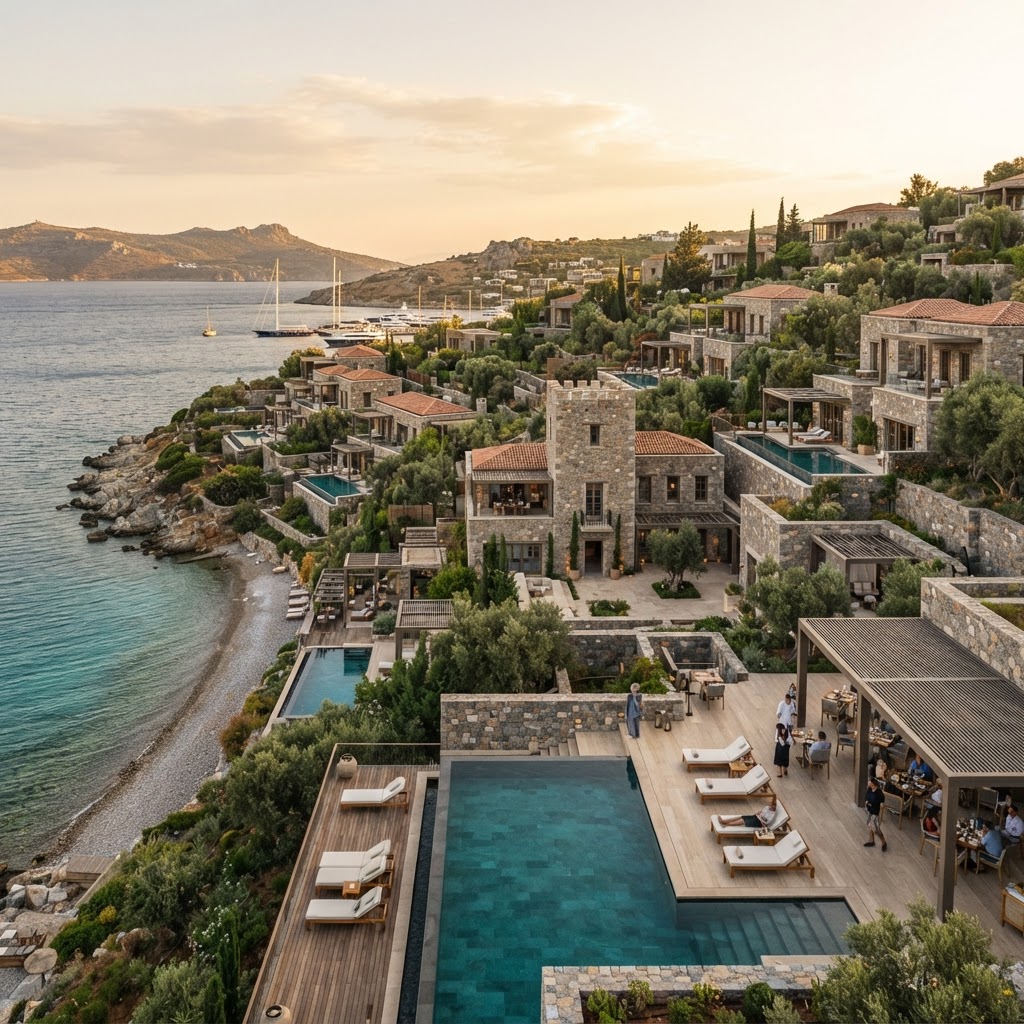
Buying hotels in Turkey offers a wealth of opportunities for hospitality investors seeking to tap into a dynamic market that's both rich in culture and strategically located. This guide covers the complete buying process, market analysis, and investment strategy, providing a thorough understanding of the Turkish hotel market in 2026. We break down everything you need to know about purchasing hotel properties in Turkey, from understanding the market landscape to navigating the legal requirements. Our step-by-step acquisition journey and strategic decision-making insights cater to both foreign and domestic investors. Once you understand the acquisition framework, explore our Hotels for Sale in Turkey: A Buyer's Guide to evaluate specific properties. This comprehensive resource ensures you’re well-prepared to make informed investment decisions in Turkey's flourishing hospitality sector.
Key Takeaways
- Turkey's hospitality market is thriving, offering diverse opportunities for hotel investments.
- Understanding regional differences in Turkey is crucial for identifying lucrative hotel locations.
- Legal compliance and due diligence are vital steps in the hotel purchasing process in Turkey.
- Financing options vary; understanding local and international funding sources is key.
- Expert insights and strategic planning can significantly enhance your investment outcomes.
Understanding Turkey's Hotel Market Landscape
Understanding Turkey's Hotel Market Landscape
In 2026, Turkey's hospitality market continues to thrive as a hub for global tourism, offering a unique blend of traditional allure and modern amenities. This dynamic landscape presents lucrative opportunities for investors aiming to buy hotels in Turkey. With its strategic position bridging Europe and Asia, Turkey benefits from a rich cultural heritage and a robust tourism industry that has demonstrated resilience even amidst global economic challenges.
Regional Insights: Antalya, Istanbul, and Bodrum
Antalya: Coastal Leisure Market
Antalya, located on the Turkish Riviera, is a premier destination for sun-seeking tourists, particularly during the summer months. The region experiences seasonal occupancy patterns, with rates soaring to 75-85% in summer and dipping to 30-40% in winter. This fluctuation affects acquisition pricing, with investors often securing properties at competitive rates during off-peak seasons. The anticipated market size for Antalya's hospitality sector is projected to grow by 5% annually, driven by increasing international arrivals and investment in luxury resorts.
Istanbul: Year-Round Business and Leisure
Istanbul serves as a vital nexus for both business and leisure travelers, maintaining a steady average occupancy rate of 65-70% throughout the year. This city offers a diverse range of hotel properties, from luxury accommodations to business hotels catering to corporate clients. With growth projections indicating a 6% annual increase in market size by 2026, Istanbul remains a focal point for investors seeking stable returns.
Bodrum: Luxury Segment
Bodrum, renowned for its luxury hotel segment, commands premium pricing that is 20-30% higher than in Antalya. This region attracts affluent tourists and offers exclusive investment opportunities in high-end resorts and boutique hotels. The supply-demand dynamics in Bodrum are characterized by limited availability of prime real estate, which drives up acquisition costs but also promises high returns due to the area's prestige and popularity.
Market Size and Growth Projections
Turkey's hotel market is expected to reach a valuation of USD 20 billion by 2026, with a compound annual growth rate (CAGR) of 7%. This growth is fueled by strategic government initiatives aimed at boosting tourism, such as the expansion of airport infrastructure and the promotion of cultural tourism. Each region's unique characteristics and demand patterns significantly influence hotel acquisition pricing, making it essential for investors to understand these dynamics.
Investment Trends and Opportunities
Investors are increasingly drawn to Turkey's hospitality sector due to its robust growth prospects and diverse offerings. The rise of sustainable tourism and eco-friendly hotels is a notable trend, as travelers prioritize environmentally conscious options. Additionally, the proliferation of digital nomadism has heightened demand for accommodations that support remote work, particularly in urban centers like Istanbul and coastal areas offering leisure amenities.
For more detailed insights on property selection and purchasing strategies, refer to our Hotels for Sale in Turkey: A Buyer's Guide, which complements this guide by focusing on specific buying criteria and property types.
Step-by-Step Guide to Buying a Hotel in Turkey
Step-by-Step Guide to Buying a Hotel in Turkey
Purchasing a hotel in Turkey is a multi-faceted process that requires careful planning and execution. This guide provides a detailed roadmap to navigate the complexities of the Turkish hospitality market.
1. Comprehensive Research
Begin by conducting thorough research to understand the local market dynamics, tourist demographics, and seasonal trends. Utilize resources such as the Turkish Statistical Institute for current data. This step typically takes 2-4 weeks and can cost between €500-€2,000 for comprehensive market reports.
2. Legal Considerations
- Engage a Local Lawyer: Hiring a local lawyer is crucial to ensure compliance with Turkish real estate laws and regulations. Legal fees generally range from 1-2% of the purchase price.
- Property Valuation: Employ a certified appraiser to accurately assess the hotel's market value, costing approximately €3,000-€8,000. A 2024 buyer in Antalya experienced a 3-month delay due to incomplete zoning documentation, underscoring the importance of thorough preparation.
3. Financing Your Investment
- Local vs. International Banks: Explore financing options from both Turkish and international banks. Interest rates typically range from 7% to 12%, depending on the institution and loan terms. This step can take 4-6 weeks.
4. Due Diligence
Conduct a detailed due diligence process, which includes:
- Financial Audit: Review the hotel's financial statements and tax returns.
- Operational Review: Evaluate current management practices and staff efficiency.
- Physical Inspection: Inspect the property for structural integrity and maintenance needs. Expect this phase to last 4-8 weeks, with costs potentially reaching €10,000-€20,000.
5. Licensing and Compliance
Ensure the hotel complies with all local regulations by obtaining necessary licenses. Refer to our Turkish Hotel Licensing Requirements guide for detailed information. This process can take 6-12 weeks and costs vary based on the specific licenses required.
6. Closing the Deal
- Negotiation: Finalize the purchase price and terms, which could take 2-4 weeks.
- Sign the Sales Agreement: Ensure all terms are clearly defined.
- Title Deed Transfer: Complete the transaction by transferring the title deed through the Turkish land registry, typically taking 6-12 weeks.
Required Documents
- Title Deed
- Tax Clearance Certificate
- Tourism License
7. Post-Purchase Considerations
- Renovations: Plan for any necessary refurbishments or upgrades, budgeting 10-20% of the purchase price.
- Marketing Strategy: Develop a robust marketing plan to attract guests and maximize occupancy rates.
For further reading, explore our Related Guides and tools to enhance your investment strategy.
Essential Checklists for Hotel Buyers
Unlock the key to successful hotel investments in Turkey with our essential checklists. Dive into a comprehensive due diligence checklist, ensuring all legal and financial bases are covered, and explore our acquisition planning tools designed to streamline your investment process. For a detailed breakdown, visit our complete guide to buying hotels in Turkey.
Downloadable Resources for Hospitality Investors
Downloadable Resources for Hospitality Investors
Unlock the full potential of your investment in the Turkish hotel market with our expertly curated toolkit. Access essential templates and guides designed to streamline your acquisition process and ensure informed decision-making. For the complete library of resources, visit our Buyer's Guide.
Financial Considerations and Loan Options
Financial Considerations and Loan Options
When looking to buy hotels in Turkey, understanding the financial landscape is crucial for a successful investment. Turkey offers a dynamic market with various financing avenues, each tailored to meet different investor profiles.
Example Cost Structure for a 50-Room Coastal Hotel
Acquiring a 50-room coastal hotel in Turkey involves several financial components. Here's a detailed breakdown:
- Purchase Price: Typically ranges from €3 million to €5 million, depending on location and amenities.
- Renovation Budget: Allocating €500,000 to €1 million for renovations is common, ensuring the property meets modern standards.
- Working Capital: Essential for operational needs, usually around €200,000 to €400,000.
- Fees and Taxes: Legal fees, due diligence, and taxes can total €150,000 to €300,000.
This brings the total initial investment to approximately €3.85 million to €6.7 million. Use our Property Valuation Tool to assess potential property values accurately.
Financing Options: Domestic vs. Foreign
Domestic Financing: Turkish banks, such as İşbank and Ziraat Bank, offer loans with interest rates ranging from 18% to 25%. They typically finance up to 70% of the property's value, requiring a 30% down payment.
Foreign Financing: International lenders provide more competitive interest rates, generally between 6% to 10%. These loans often come with flexible terms but may require more detailed financial documentation.
Typical Equity Requirements
For foreign buyers, equity requirements usually range from 30% to 40% of the total investment. This ensures lenders that the investor has a significant stake in the property's success.
Investment Partnerships
Forming partnerships can be a strategic move. Joint ventures allow investors to share risks and financial burdens. A local Turkish partner might handle operations, while a foreign investor supplies capital.
Tax Incentives and Grants
Turkey offers tax incentives to attract foreign investment in hospitality. Depending on the hotel's location and size, investors might benefit from tax reductions or exemptions. Occasionally, the government provides grants for tourism infrastructure, reducing initial capital requirements.
Evaluating these financial options carefully can significantly impact your hotel's profitability and sustainability in Turkey. Consider consulting with financial advisors and leveraging tools like our ROI Calculator to comprehensively plan your financing strategy. For more detailed financing FAQs, visit our Financing FAQs.
In conclusion, understanding the financial considerations and loan options is essential for making informed investment decisions in the Turkish hotel market. For more insights, explore our Complete Guide to Buying a Hotel in Turkey.
Navigating Legal and Compliance Requirements
Navigating Legal and Compliance Requirements
Buying a hotel in Turkey involves a detailed understanding of the complex legal landscape necessary for compliance with local laws. This section delves into the specific legal steps and requirements critical for foreign investors to avoid potential pitfalls.
Property Laws
Begin by familiarizing yourself with Turkish property laws, which govern real estate transactions. Foreign investors can purchase property, but restrictions exist, particularly near military zones. Properties within these zones are generally off-limits to foreign buyers to safeguard national security. A thorough title search with a local attorney is essential to ensure the property is free from legal disputes.
Compliance and Permits
Operating a hotel requires multiple permits, including a business license, health and safety compliance certificates, and potentially an environmental impact assessment. The Ministry of Culture and Tourism handles many of these regulations to ensure all hospitality properties meet national standards. For detailed operational permit requirements, visit our Turkish Hotel Licensing Requirements page.
Zoning Regulations
Zoning laws dictate land use and development. Confirm that the hotel is in a zone designated for tourism and hospitality. Redevelopment projects might require additional permits to ensure compliance with zoning regulations. Cross-check these requirements with local municipal offices to avoid future complications.
Legal Representation
Engaging a local legal expert is invaluable. Local attorneys provide insights into customary practices and can expedite legal processes, ensuring contracts and agreements are legally sound and adhere to Turkish law.
Foreign Ownership Restrictions
While Turkey allows foreign ownership, certain strategic areas might have restrictions. Verify the property’s eligibility for foreign ownership through the General Directorate of Land Registry and Cadastre. Additionally, reciprocity rules may apply, depending on your nationality, affecting your ability to purchase property.
Timeline for Foreign Investor Approval
The approval process for foreign investors typically spans several weeks. It involves submitting necessary documentation to relevant authorities and obtaining clearance from the Ministry of Environment and Urbanization. Early engagement with legal professionals can help navigate these timelines efficiently.
Adhering to these legal and compliance requirements safeguards your investment from unforeseen legal challenges. Leverage resources from Stay4Hospitality to access legal guides and checklists tailored for investors in Turkey’s hospitality sector. For more insights on property selection, visit our Hotels for Sale in Turkey: A Buyer's Guide.
Expert Strategies for Successful Hotel Investments
Expert Strategies for Successful Hotel Investments
Investing in Turkey's hotel sector can be highly rewarding if approached with the right strategies. Here are insights from industry experts to optimize your investment.
Market Research and Feasibility Studies
Conduct comprehensive market research to understand the demand dynamics in Turkey’s diverse regions, such as Istanbul’s bustling city center or Antalya’s tourist-heavy coastal areas. Feasibility studies are essential to assess potential revenue streams, competitive landscape, and target demographics. Coastal properties often command 15-25% premiums over their inland equivalents, highlighting the importance of strategic location selection.
Location Selection
Location is a critical determinant of success in the hotel industry. Areas with high tourist footfall or business centers, such as Istanbul, Cappadocia, and Bodrum, offer increased occupancy rates. Consider factors like accessibility, local attractions, and infrastructural developments when selecting a location. Boutique hotels with under 30 rooms in historic districts can achieve 8-12% higher RevPAR, making them attractive investment opportunities.
Case Study: Foreign vs Domestic Investor Approaches
A foreign investor acquired a boutique hotel in Istanbul’s historic district, leveraging a strategic entry during the low tourist season. Within 18 months, the investor achieved a 20% return on investment by focusing on luxury offerings and targeted marketing to international travelers. In contrast, a domestic investor purchased a similar property but faced challenges due to a lack of differentiation and local competition, resulting in only a 7% return over the same period.
Brand Positioning and Differentiation
Differentiate your hotel by offering unique experiences or targeting niche markets. Whether it’s eco-friendly accommodations or luxury boutique hotels, establishing a clear brand identity can set your property apart in a competitive market. This approach can be particularly effective in regions with a high density of similar properties.
Operational Excellence and Technology Integration
Invest in state-of-the-art technology to enhance guest experiences and streamline operations. From AI-driven customer service to automated booking systems, technology can improve efficiency and customer satisfaction, leading to repeat business and positive reviews.
Local Partnerships and Networking
Building relationships with local tourism boards, travel agencies, and businesses can boost your hotel’s visibility and credibility. Partnerships with local vendors can also enhance the guest experience by offering authentic local products and services.
Strategic Timing and Market Entry
Timing your market entry is crucial. Align your investment with Turkish Tourism Trends 2026 to capitalize on emerging opportunities and maximize returns. Understanding these trends can guide your strategic decisions, ensuring you are well-positioned to benefit from market growth.
By implementing these expert strategies, you can maximize your investment’s potential in Turkey’s vibrant hotel market. For more in-depth strategies and market insights, explore related articles and tools on Stay4Hospitality.
Next Steps: Tools and Related Resources
Next Steps: Tools and Related Resources
To further support your journey in buying hotels in Turkey, take advantage of a range of tools and resources designed to assist investors and hospitality professionals.
Investment Calculators
Utilize our suite of investment calculators to forecast potential returns, assess financing options, and evaluate property valuations. These tools can help you make data-driven decisions and optimize your investment strategy.
Due Diligence Checklists
Download comprehensive due diligence checklists that cover everything from financial audits to regulatory compliance. These checklists ensure you don’t overlook critical steps in the purchasing process.
| Tool Name | Purpose |
|---|---|
| ROI Calculator | Estimate potential returns on investment |
| Loan Comparison Tool | Compare local and international financing options |
| Legal Compliance Checklist | Guide to navigating property laws and permits |
Related Articles and Guides
Explore our library of related content to deepen your understanding of the Turkish hotel market:
- Complete Guide to Hotel Market Trends in Turkey
- How to Navigate Turkish Real Estate Laws
- Top Locations for Hospitality Investments in Turkey
Community and Networking
Join the Stay4Hospitality community forum to connect with other investors and industry experts. Share experiences, ask questions, and build a network that can provide support and insights as you navigate the Turkish hospitality market.
As you take these next steps, remember that thorough preparation and strategic planning are key to a successful hotel investment in Turkey. Access these tools and resources to enhance your investment journey and ensure long-term success.
Regional Investment Comparison: Antalya vs Istanbul vs Bodrum
Regional Investment Comparison: Antalya vs Istanbul vs Bodrum
Investing in Turkish hospitality properties requires a nuanced understanding of regional dynamics. Here's a comparative analysis of Antalya, Istanbul, and Bodrum, three pivotal markets for hotel investment in Turkey.
| City | Average Price per Room (€) | Typical ROI Timeline | Investor Profile Fit | Seasonal Revenue Patterns | Infrastructure Impact |
|---|---|---|---|---|---|
| Antalya | 40k-60k | 5-8 years | Leisure-focused | High summer occupancy (70-90%); off-season dip | Enhanced by airport expansions |
| Istanbul | 80k-120k | 7-10 years | Mixed-use | Steady year-round with peaks in spring and autumn | Strong due to ongoing urban projects |
| Bodrum | 100k-150k | 5-8 years | Luxury/Boutique | Summer peak (80-95%); winter low | Boosted by luxury marina developments |
Antalya is renowned for its leisure appeal, making it ideal for investors targeting tourism-driven revenue. The average price per room is competitive, ranging from €40k to €60k, and the typical ROI timeline is between 5 to 8 years. Seasonal revenue peaks during the summer months, with occupancy rates soaring to 70-90%, though there is a noticeable dip in the off-season. Recent airport expansions are set to further enhance its accessibility and attractiveness.
Istanbul, as a bustling urban center, presents a mixed-use investment opportunity. With room prices averaging €80k to €120k, it offers a steady ROI over 7 to 10 years. Revenue patterns are more consistent throughout the year, with significant peaks during spring and autumn. The city's infrastructure is continually evolving, with urban development projects bolstering its long-term investment potential.
Bodrum caters to the luxury and boutique segment, with room prices between €100k and €150k. Investors can expect a 5 to 8-year ROI timeline. The region experiences high occupancy rates of 80-95% during summer, but a pronounced decrease in winter. The development of luxury marinas and exclusive resorts is enhancing Bodrum's appeal to high-net-worth individuals.
For strategic investors, understanding these regional characteristics is crucial. Whether seeking leisure-focused properties in Antalya, mixed-use opportunities in Istanbul, or luxury investments in Bodrum, each market offers distinct advantages aligned with specific investor profiles. This guide serves as a comprehensive resource for making informed decisions in the Turkish hotel market.
Case Studies: Successful Hotel Acquisitions in Turkey
Case Studies: Successful Hotel Acquisitions in Turkey
Case Study 1: European Investor Group in Antalya
A European investor group successfully acquired a 40-room resort in Antalya, a prime tourist destination. The purchase price was in the mid-seven-figure range, with an additional renovation investment of approximately 20% of the purchase cost. The entire process, from initial search to operational launch, spanned 18 months. The first year of operation exceeded expectations, achieving an occupancy rate of 85% and a 12% ROI. Key lessons include the importance of aligning renovation timelines with peak tourist seasons and leveraging local partnerships to enhance operational efficiency.
Case Study 2: Middle Eastern Investor in Istanbul
A Middle Eastern investor acquired a boutique hotel in Istanbul using a unique financing approach, combining private equity with local bank loans. The regulatory approval process took six months, highlighting the need for thorough understanding of local compliance requirements. The investor positioned the hotel to cater to luxury travelers, capitalizing on Istanbul’s reputation as a cultural hub. This strategic market positioning resulted in a 70% occupancy rate within the first quarter. The success underscores the importance of a targeted market strategy and the benefits of leveraging local financial instruments to optimize investment returns.
Frequently Asked Questions
Related Resources
- Optimizing ROI on Turkish Hotel Investments
- Financing Options for Buying Hotels in Turkey
- Hotels for Sale in Turkey: A Buyer's Guide
- List Your Property
- Contact Us
- Understanding Turkish Tourism Trends 2026
- Navigating Turkish Hotel Licensing Requirements
- What financing options are available for purchasing hospitality properties
- How do investors calculate ROI when evaluating hotel properties
- What Do Hotel Buyers Look For Before Making an Offer?
- How long does hotel due diligence typically take
- Property Valuation Tool
- Hospitality ROI Calculator
- AI Business Plan Generator
- Browse hotels for sale in Turkey
Reader Feedback
Share your thoughts on "Buy Hotels in Turkey: A Complete Guide". Feedback is reviewed by AI and must relate to this topic before it's published.