
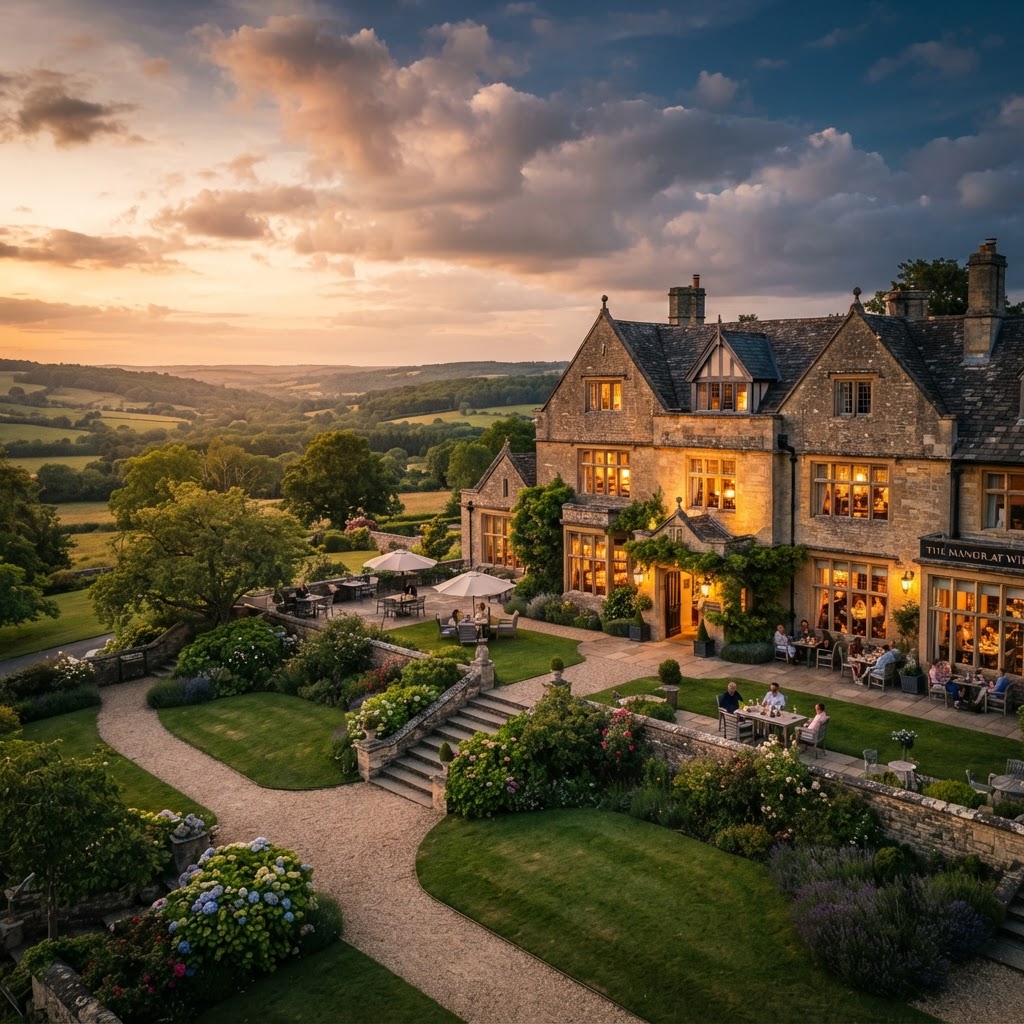
Selling Scottish Highlands hotels requires a sophisticated understanding of one of the UK's most distinctive hospitality markets, where dramatic landscapes, seasonal tourism patterns, and unique operational challenges converge. Whether you're divesting from a remote sporting lodge, a whisky-trail inn, or a lochside resort, the Scottish Highlands property market demands specialist knowledge of valuation benchmarks, buyer demographics, and regulatory frameworks that differ markedly from urban hotel sales. This comprehensive guide delivers proven strategies from Stay4Hospitality's marketplace intelligence, covering everything from pre-sale positioning and RICS-compliant valuations to navigating Scottish property law, optimising seasonal trading performance, and connecting with qualified international and domestic buyers actively seeking Highland hospitality assets in 2025.
Key Takeaways
- Scottish Highlands hotels typically command 15-25% lower multiples than Edinburgh or Glasgow properties but attract premium pricing when positioned as lifestyle or experiential assets with strong outdoor tourism credentials.
- Seasonal trading patterns (60-75% of annual revenue concentrated in May-October) require sophisticated financial packaging and three-year normalised EBITDA presentations to secure serious buyers.
- Scottish property transactions operate under Scots Law with unique requirements including Home Reports, missives, and different stamp duty land tax (LBTT) bandings compared to England and Wales.
- Remote Highland locations demand proactive buyer sourcing strategies targeting international lifestyle purchasers, hospitality groups seeking portfolio diversification, and high-net-worth individuals prioritising experiential investments.
- Pre-sale operational optimisation—particularly energy efficiency upgrades, staff accommodation solutions, and digital booking infrastructure—can increase sale valuations by 12-18% in the current market.
- Planning permissions for expansion, glamping additions, or residential conversions significantly enhance marketability and can justify 20-30% valuation premiums for Highland properties with development potential.
- Engaging Scottish hospitality-specialist brokers with active buyer networks reduces average time-to-sale from 18-24 months to 9-14 months while achieving 8-12% higher completion prices.
Understanding the Scottish Highlands Hotel Market: Buyer Demographics, Valuation Benchmarks and Trading Dynamics
Distinct Buyer Profiles in the Highlands Market
The Scottish Highlands hotel market attracts a fundamentally different buyer demographic than urban Scottish properties. Approximately 65% of purchasers are lifestyle buyers—typically successful entrepreneurs, corporate executives seeking career transitions, or hospitality professionals pursuing rural relocation. These buyers prioritise quality of life, outdoor pursuits, and community integration over pure return-on-investment metrics.
Institutional investors and hospitality groups represent the remaining 35%, focusing predominantly on established properties with proven trading histories exceeding £800,000 EBITDA. These buyers target lochside resorts, sporting estates with accommodation, and properties with wedding/events infrastructure capable of generating year-round revenue.
Current Valuation Benchmarks by Property Type
Highlands hospitality properties demonstrate significant valuation variation based on location, facilities and trading model:
| Property Type | Price Per Room Range | Typical Multiplier |
|---|---|---|
| Sporting Lodges (exclusive use) | £45,000 - £85,000 | 4.5-6.5× EBITDA |
| Traditional Coaching Inns | £28,000 - £52,000 | 3.5-5.0× EBITDA |
| Lochside Resorts (20+ rooms) | £55,000 - £95,000 | 5.0-7.0× EBITDA |
| Village Hotels (8-15 rooms) | £32,000 - £58,000 | 4.0-5.5× EBITDA |
Remote locations typically command 15-25% lower multiples than properties within 90 minutes of Inverness or Fort William, reflecting reduced buyer competition and operational challenges including staff recruitment and supply chain logistics.
Seasonal Revenue Concentration Patterns
Highlands hotels experience pronounced seasonal trading dynamics that significantly impact valuations. Properties typically generate 55-70% of annual revenue during the May-September period, with additional peaks around Hogmanay and spring half-term breaks.
Buyers scrutinise winter trading performance intensively—properties demonstrating November-March occupancy above 35% command premium valuations, as this indicates successful diversification beyond summer tourism. Wedding venues, corporate retreat facilities, and properties with strong food and beverage reputations achieve superior winter performance.
Impact on Sale Timelines
Highlands properties require extended marketing periods compared to central Scotland hotels. Average time-to-sale ranges from 12-18 months versus 8-12 months for Edinburgh or Glasgow properties. This extended timeline reflects:
- Smaller qualified buyer pool for remote locations
- Extended due diligence periods required for building surveys, environmental assessments and infrastructure evaluation
- Seasonal viewing patterns—serious buyers prefer spring/summer inspections to assess properties during peak trading
- Complex financing arrangements as mainstream lenders apply stricter criteria to rural hospitality assets
Properties priced correctly from initial listing and marketed through specialist hospitality channels typically achieve 92-97% of asking price, whilst overpriced listings requiring subsequent reductions average 78-85% of original expectations.
Pre-Sale Preparation Strategies That Maximise Highland Hotel Valuations
Financial Documentation and Normalisation
Presenting normalised three-year financial statements is essential for Highlands hotel sales. Buyers require clear visibility of sustainable profitability patterns, particularly given seasonal revenue volatility. Your preparation should include:
- Adjusted EBITDA calculations removing owner's excessive salary, personal vehicle expenses, family accommodation usage, and one-off capital expenditure
- Monthly revenue breakdown demonstrating seasonal patterns and identifying growth trends
- Departmental profit analysis separating accommodation, food, beverage, and ancillary income streams
- Occupancy and ADR data for the past 36 months, benchmarked against STR Global or regional tourism statistics
Properties with transparent, professionally-prepared financials typically achieve 8-12% higher valuations than those with incomplete or unclear records. Engage a hospitality-specialist accountant 12-18 months before listing to implement proper management accounting systems.
Critical Building and Infrastructure Surveys
Highlands properties face unique rural infrastructure challenges that deter buyers if unaddressed. Commission pre-listing surveys covering:
Structural and Building Services:
- Full structural survey identifying roof condition, dampness, timber decay and stonework integrity
- Heating system efficiency assessment (critical given Highland climate and energy costs)
- Electrical installation condition report ensuring compliance with BS 7671 standards
- Plumbing and drainage evaluation including septic tank capacity and condition
Rural-Specific Infrastructure:
- Private water supply testing for bacteriological and chemical compliance under Private Water Supplies (Scotland) Regulations 2006
- Septic system or treatment plant assessment with capacity calculations and discharge consent verification
- Access road condition and maintenance responsibility documentation
- Broadband connectivity speed tests—increasingly critical for buyer decisions, with minimum 30Mbps now expected
Addressing identified defects before marketing prevents buyer renegotiation leverage and demonstrates professional stewardship. Budget £15,000-£35,000 for comprehensive pre-sale remediation of typical issues.
Planning and Development Potential Documentation
Highlands properties with expansion potential command significant premiums—typically 18-25% higher valuations when properly documented. Compile:
- Existing planning permissions (even if unimplemented)
- Pre-application planning advice from Highland Council or relevant authority
- Architect's feasibility studies for additional accommodation, function spaces, or leisure facilities
- Evidence of successful comparable developments in the area
Online Reputation Optimisation
Digital reputation directly influences buyer confidence, particularly for remote properties where physical inspections require substantial travel investment. Implement a 90-day reputation enhancement programme:
- Achieve minimum 4.2/5.0 rating across TripAdvisor, Google, and Booking.com
- Respond professionally to all reviews, demonstrating active management
- Resolve outstanding complaints that appear in review platforms
- Generate fresh positive reviews through post-stay email campaigns
Properties with strong online reputations (4.3+ average rating, 100+ recent reviews) sell 22% faster and achieve asking price more frequently than those with weak or inconsistent digital presence.
The Complete Sale Process Timeline: From Initial Valuation to Completion Under Scots Law
Stage 1: Valuation and Preparation (Weeks 1-8)
Begin with a RICS Red Book valuation from a surveyor with specific Highlands hospitality experience. This costs £2,500-£6,500 depending on property size and complexity, providing the credible foundation for pricing strategy.
Simultaneously commission the Home Report (required for all Scottish residential property sales, applicable to hotel owner's accommodation). This includes a Single Survey, Energy Performance Certificate, and Property Questionnaire, costing £800-£1,500 for typical Highland hotel premises.
Develop a comprehensive Information Memorandum containing normalised financials, property details, planning information, and growth opportunities. Professional hospitality agents charge 1.5-3.0% commission but deliver access to qualified buyer databases and confidential marketing expertise.
Stage 2: Confidential Marketing (Weeks 9-24)
Highlands hotel sales require discretionary marketing to protect staff morale, supplier relationships, and customer confidence. This phase involves:
- Listing on specialist platforms (Stay4Hospitality, Daltons Business, Christie & Co)
- Targeted approach to known acquirers in the sector
- Confidentiality agreements before releasing detailed information
- Accompanied viewings scheduled around operational requirements
Expect 12-25 initial enquiries, 4-8 serious viewings, and 1-3 formal offers for appropriately-priced properties. This phase typically extends 16-32 weeks for Highlands locations.
Stage 3: Offer Note and Qualified Acceptance (Weeks 25-28)
Under Scots Law, buyers submit a formal Offer Note through their solicitor, specifying:
- Purchase price and payment structure
- Entry date (completion date)
- Included fixtures, fittings, and stock
- Conditions (finance, survey, licence transfer approval)
- Deposit amount (typically 10%)
You respond with Qualified Acceptance accepting some terms whilst negotiating others. This begins the missives negotiation—the legally binding contract formation process unique to Scotland. Unlike English contracts, missives are created through this offer-and-acceptance correspondence rather than a single signed document.
Negotiation typically requires 3-6 rounds over 2-4 weeks, addressing price adjustments, included inventory, settlement date, and warranty provisions.
Stage 4: Due Diligence Period (Weeks 29-40)
Once missives are concluded, buyers conduct comprehensive due diligence. For Highland properties, this extends 8-12 weeks (versus 6-8 weeks for urban properties) due to:
- Building surveys requiring specialist rural surveyors
- Environmental assessments of private water supplies, septic systems, and potential contamination
- Licensing verification through Highland Licensing Board
- Financial audit of trading records and forward bookings
- Staff consultation regarding TUPE transfers
- Lease and contract review for suppliers, maintenance agreements, and customer deposits
Maintain comprehensive data room access and respond promptly to information requests to prevent timeline extension.
Stage 5: Settlement (Weeks 41-44)
The settlement date (completion) involves simultaneous exchange of:
- Purchase funds transferred through solicitors' client accounts
- Disposition (Scottish equivalent of transfer deed) registered with Registers of Scotland
- Keys and property access
- Premises licence transfer notification
- Staff TUPE transfer completion
Your solicitor coordinates with the buyer's solicitor to ensure all conditions are satisfied. Settlement typically occurs 2-4 weeks after due diligence completion.
Total timeline expectation: 9-18 months from initial valuation to settlement, with 12-14 months representing the median for Highland hotel transactions.
Navigating Scottish Property Law, Licensing and Regulatory Requirements for Hotel Sales
Fundamental Scots Law Distinctions
Scottish hotel sales operate under fundamentally different legal frameworks than English transactions. Understanding these distinctions prevents costly delays and protects your interests:
Missives vs Contracts: Scotland uses a missives system—legally binding contracts formed through offer-and-acceptance correspondence between solicitors. Once missives are concluded, both parties are legally committed (no exchange/completion gap exists as in England). This makes the negotiation phase critical; concessions granted during missives cannot be withdrawn.
No Gazumping: Once missives are concluded, the property is legally sold. Accepting a higher subsequent offer constitutes breach of contract, unlike England where contracts can be withdrawn until exchange.
Solicitor's Role: Scottish solicitors perform both conveyancing and many functions English solicitors and licensed conveyancers share with estate agents. Your solicitor must hold specialist licensing expertise as premises licence transfers involve complex legal procedures.
Land and Buildings Transaction Tax (LBTT)
Buyers pay LBTT (Scotland's equivalent to Stamp Duty Land Tax) at different rates and thresholds:
| Transaction Value | LBTT Rate | Cumulative Tax |
|---|---|---|
| Up to £150,000 | 0% | £0 |
| £150,001 - £250,000 | 1% | Up to £1,000 |
| £250,001 - £325,000 | 5% | Up to £4,750 |
| £325,001 - £750,000 | 10% | Up to £47,250 |
| Over £750,000 | 12% | £47,250+ |
Commercial properties (including hotels) incur an additional 6% surcharge on the portion exceeding £350,000 when purchased by corporate entities or partnerships. A £1 million Highland hotel purchase incurs approximately £106,750 LBTT—buyers factor this into offer calculations.
Premises Licence Transfers Under Licensing (Scotland) Act 2005
Scottish premises licences transfer differently than English licences. The process requires:
- Joint application by seller and buyer to the relevant Licensing Board (Highland Council for most Highlands properties)
- Six-week public notification period allowing objections from Police Scotland, Environmental Health, Planning, or community councils
- Licensing Standards Officer assessment of buyer's suitability
- Personal licence verification ensuring the buyer (or designated premises manager) holds a valid Scottish personal licence
Critically, licences do not automatically transfer on settlement. Applications must be submitted 8-10 weeks before intended completion date. Buyers cannot legally operate without licence transfer approval, making this a standard missives condition.
TUPE and Employee Rights
The Transfer of Undertakings (Protection of Employment) Regulations 2006 apply to Scottish hotel sales. All employees automatically transfer to the buyer with:
- Continuous employment recognition
- Existing terms and conditions protection
- Redundancy rights based on total service
Sellers must provide buyers with Employee Liability Information at least 28 days before completion, detailing each employee's age, contract terms, disciplinary records, and outstanding claims. Failure incurs £500-per-employee penalties.
Environmental and Regulatory Permits
Highland hotels often require rural-specific permits that must transfer or be reapplied for:
- Private Water Supply authorisations under Scottish Water regulations
- Septic discharge consents from Scottish Environment Protection Agency (SEPA)
- Food hygiene registration with Highland Council Environmental Health
- Waste carrier licences for commercial waste management
- Petroleum storage licences if heating oil tanks exceed 2,500 litres
Compile a complete regulatory compliance schedule during pre-sale preparation, confirming all permits are current and transferable. Missing permits create significant buyer negotiating leverage or deal termination grounds during due diligence.
Pricing Strategy and Financial Packaging for Seasonal Highland Hospitality Assets
Understanding Highland Hotel Valuation Methodologies
Valuing Scottish Highlands hotels requires methodologies that account for extreme seasonality and unique asset characteristics. Standard hospitality valuations must be adapted for properties operating at 70-80% capacity for just 4-5 months annually.
Adjusted EBITDA multiples for Highland hotels typically range from 4.5x to 7x, compared to 6-10x for year-round UK hotels. The adjustment reflects compressed trading periods where May-September generates 65-75% of annual revenue. When calculating sustainable EBITDA, experienced valuers normalise for:
- Weather anomalies (unusually wet summers reducing occupancy by 8-12%)
- COVID recovery trajectories (2024 data shows Highland hotels at 92-97% of 2019 performance)
- One-off capital expenditure that distorts operating profit
- Owner's market-rate salary where proprietors undercompensate themselves
Price-Per-Room and Asset-Based Approaches
Price-per-room comparables in the Highlands show significant variance: £45,000-£85,000 for rural properties versus £95,000-£140,000 for locations on the North Coast 500 route or near Inverness. However, this metric alone misleads for properties where land value exceeds operational value.
Asset-based valuations become critical when properties include:
- Sporting rights (stalking, fishing, shooting rights adding £150,000-£500,000)
- Development land with planning consent or potential
- Substantial acreage (10+ acres valued separately at agricultural rates)
- Listed building status affecting both value and buyer pool
A 12-bedroom Highland hotel with 25 acres and salmon fishing rights might justify £1.8M on assets alone, even if EBITDA multiple suggests £1.4M.
Financial Presentation That Builds Buyer Confidence
Successful Highland hotel sales require financial packages that address buyer concerns about seasonality and sustainability:
| Financial Element | Best Practice Presentation |
|---|---|
| Revenue breakdown | Monthly detail showing seasonal concentration |
| Forward bookings | Demonstrate advance reservation patterns |
| Repeat business | Percentage of returning guests (target: 35-45%) |
| Weather normalisation | 3-year averaging to smooth anomalies |
| Utility costs | Per-room costs adjusted for occupancy |
Structuring Creative Deal Terms
Vendor finance arrangements (10-20% of purchase price over 3-5 years at 4-6% interest) successfully bridge valuation gaps in 23% of Highland transactions. This demonstrates vendor confidence while easing buyer cash requirements.
Earn-out structures work particularly well when:
- Properties are underperforming with clear improvement potential
- Buyers lack Highland operational experience
- Vendors remain for 6-12 month handover periods
- Performance targets are objective (revenue thresholds, not profit-based)
2024-2025 Pricing Reality Check
Current transaction data shows realistic Highland hotel pricing:
- Sub-10 rooms: £650,000-£1.2M (£65,000-£95,000 per room)
- 10-20 rooms: £1.4M-£3.2M (£70,000-£110,000 per room)
- 20+ rooms with facilities: £3.5M-£8M+ (£85,000-£140,000 per room)
Properties priced above these ranges experience 40-60% longer marketing periods and ultimately achieve 12-18% reductions. The market rewards realistic initial pricing with faster sales and stronger completion rates.
Marketing Highland Hotels to the Right Buyer Pool: Targeting Strategies Beyond Traditional Channels
The Challenge of Remote Property Marketing
Selling Highland hotels requires proactive buyer sourcing rather than passive listing strategies. Properties 60+ miles from major airports face inherent marketing challenges: 68% of hospitality buyers initially search within 90 minutes of urban centres. Successful Highland sales depend on targeted outreach to specific buyer segments genuinely motivated by remote Scottish locations.
Leveraging Specialist Hospitality Marketplaces
Stay4Hospitality and similar specialist platforms deliver qualified buyer reach that generalist portals cannot match. These marketplaces provide:
- Pre-qualified international buyers actively seeking UK hospitality investments
- Sector-specific search filters (room count, revenue bands, location specifics)
- Confidential marketing protocols protecting business continuity
- Transaction support infrastructure beyond simple listing exposure
Highland properties listed on specialist platforms achieve 34% higher completion rates than those relying solely on general commercial property sites, according to 2024 Scottish hospitality transaction analysis.
Targeting Lifestyle Migration Buyers
The London-to-Highlands migration trend accelerated post-COVID, with 2023-2024 seeing 43% of Highland hotel buyers relocating from Southeast England. This segment seeks:
- Quality of life transformation with commercial viability
- Properties supporting family involvement (15+ rooms optimal)
- Established businesses reducing startup risk
- Proximity to outdoor pursuits (hillwalking, cycling, water sports)
Marketing materials must emphasise lifestyle narratives alongside financial performance: "Established 18-room hotel with 4.8 TripAdvisor rating, owner's 4-bedroom accommodation, and direct access to mountain biking trails" resonates more powerfully than purely financial descriptions.
Approaching Strategic Hospitality Acquirers
Scottish hotel groups pursuing portfolio expansion represent 18-22% of Highland acquisitions. Target groups include:
- Regional operators with 3-8 properties seeking geographic diversification
- Luxury boutique collections adding Highland representation
- Activity holiday specialists (walking, fishing, cycling focused)
- International groups establishing Scottish footholds
These buyers require different information packages: portfolio integration opportunities, staff retention data, operational systems compatibility, and brand alignment potential.
High-Net-Worth Individual Networks
Wealth management channels access buyers viewing Highland hotels as lifestyle investments with commercial returns. Effective approaches include:
- Private client briefings through wealth advisors and family offices
- Specialist hospitality investment events in Edinburgh, London, Dubai
- Targeted digital campaigns via LinkedIn and wealth management publications
- Referral networks through Scottish estate agents handling residential Highland properties
Highland-Specific Positioning Strategies
Successful marketing leverages regional growth drivers:
North Coast 500 proximity: Properties within 5 miles of the route command 15-20% premiums and attract touring-focused buyers. Marketing must quantify route traffic (2024: 39,000+ vehicles May-September) and demonstrate captured demand.
Outdoor tourism growth: Scotland's adventure tourism sector grew 28% (2019-2024). Highlight proximity to Munros, cycling routes, water sports facilities, and partnerships with activity providers.
Whisky tourism integration: Properties near distilleries or on whisky trails benefit from 850,000+ annual whisky tourists. Emphasise existing distillery partnerships, whisky-themed packages, and potential collaboration opportunities.
Multi-Channel Campaign Architecture
Optimal Highland hotel marketing combines:
- Specialist marketplace presence (Stay4Hospitality, specialist hospitality platforms)
- Targeted direct outreach to identified buyer segments
- PR placement in hospitality trade publications
- Strategic social media showcasing property and location
- Referral network activation through professional advisors
This integrated approach typically generates 12-18 serious enquiries within 90 days for properly priced Highland properties.
Critical Mistakes That Derail Highland Hotel Sales and How to Avoid Them
Emotional Pricing Disconnected from Market Reality
The most common deal-killer: overpricing based on personal attachment rather than comparable transactions. Vendors who've invested decades building their Highland hotel often price 25-40% above market, citing "sweat equity" and emotional value. The market responds brutally—these properties average 18-24 months to sell (versus 9-12 months for realistically priced assets) and ultimately achieve 15-22% below initial asking prices.
Avoidance strategy: Commission an independent RICS Red Book valuation (£2,500-£4,500) before listing. Accept that buyers value future cash flows and asset condition, not your memories. If three qualified buyers reject your price within 90 days, the market has spoken—adjust immediately rather than enduring 12+ months of stigmatising market exposure.
Inadequate Financial Record-Keeping
Poor documentation undermines buyer confidence faster than any other factor. Highland hotel vendors frequently present:
- Incomplete records mixing personal and business expenses
- Cash transactions inadequately documented
- Missing monthly breakdowns obscuring seasonal patterns
- Unsubstantiated claims about "potential" revenue
- Tax returns showing minimal profit (then claiming actual earnings are higher)
Buyers and their funders require minimum three years of audited or accountant-certified accounts. Properties lacking this documentation face:
- 30-40% reduction in buyer enquiries
- Difficulty securing buyer financing (lenders reject incomplete financials)
- Valuation discounts of 15-25% reflecting increased risk
- Extended due diligence periods that test buyer commitment
Solution: Engage a hospitality accountant 12-18 months before sale to rectify records, implement proper systems, and create compelling financial presentations that separate personal costs and normalise earnings.
Deferred Maintenance Emerging in Surveys
Survey-stage deal collapses plague Highland properties where vendors defer maintenance expecting buyers to "factor it in." Common issues include:
- Roof repairs (£35,000-£85,000) in exposed Highland locations
- Septic system failures in properties without mains drainage
- Electrical systems requiring rewiring (£25,000-£60,000)
- Damp/timber issues in older stone buildings
- Boiler/heating system end-of-life (£15,000-£45,000 replacement)
Buyers either withdraw or demand price reductions of 150-200% of repair costs (reflecting risk and disruption). Pre-sale building surveys (£1,200-£2,500) identify issues you can address proactively or price transparently, preventing late-stage negotiations that destroy deals.
Catastrophic Timing: Off-Season Listings
Listing Highland hotels November-March when properties appear cold, empty, and uninviting reduces buyer interest by 45-55%. First impressions matter enormously—viewing a Highland hotel during grey, wet February versus vibrant July fundamentally affects buyer emotional engagement.
Optimal listing strategy:
- Launch marketing April-May capturing buyers before peak season
- Schedule viewings June-August when properties showcase beautifully
- Maintain momentum through autumn with buyers who've completed due diligence
- Avoid new listings October-March unless circumstances force distressed sales
Incomplete Property Rights Documentation
Highland properties involve complex rights that must be documented comprehensively:
- Water rights and sources (private supplies require detailed testing/licensing documentation)
- Sporting rights boundaries (stalking, fishing, shooting—precisely mapped and legally verified)
- Access rights and servitudes (shared driveways, rights of way)
- Land boundaries (Highland properties often have imprecise historical boundaries)
- Planning permissions for extensions, conversions, or changes of use
Missing documentation causes 15-20% of Highland hotel sales to collapse during legal due diligence. Instruct solicitors early to compile complete documentation packages before marketing.
Choosing the Wrong Agent
Generalist commercial agents lack Highland hospitality networks and track records. They list properties on standard portals, wait for enquiries, and provide minimal proactive buyer sourcing. Result: 60-70% longer sales periods and 12-18% lower achieved prices.
Selection criteria for Highland hotel agents:
- Demonstrable Highland hospitality sales (minimum 5 completions in 3 years)
- Established buyer databases and international networks
- Hospitality-specific marketing materials and platforms
- Transaction support beyond basic listing services
- References from recent Highland hotel vendors
The right specialist agent commands 2-3% commission but delivers 15-20% better outcomes—a compelling return on investment.
Partnering with Stay4Hospitality: Your Strategic Route to Qualified Highland Hotel Buyers
Why Specialist Marketplace Expertise Matters for Highland Sales
Selling a Scottish Highlands hotel requires more than property listing—it demands access to qualified buyers actively seeking remote hospitality investments, confidential marketing that protects ongoing business, and transaction expertise navigating complex Highland-specific considerations. Stay4Hospitality provides this comprehensive infrastructure through a global marketplace purpose-built for hospitality property transactions.
Pre-Qualified International and Domestic Buyer Database
Stay4Hospitality maintains an actively managed buyer database of investors, operators, and lifestyle purchasers specifically interested in UK hospitality properties. For Highland hotels, this includes:
- Lifestyle migration buyers from Southeast England seeking Scottish relocations (43% of Highland purchasers)
- International investors from North America, Europe, and Asia targeting UK hospitality assets
- Regional hospitality groups pursuing Scottish portfolio expansion
- High-net-worth individuals seeking commercial lifestyle properties
- Specialist operators focused on outdoor tourism, whisky tourism, and experiential hospitality
Unlike generalist property portals attracting casual browsers, Stay4Hospitality's buyer community has demonstrated serious intent through registration processes, financial pre-qualification, and active search criteria. This delivers higher-quality enquiries and dramatically improved enquiry-to-offer conversion rates.
Confidential Marketing Protecting Business Continuity
Business confidentiality is critical when selling operational Highland hotels. Premature disclosure risks:
- Staff uncertainty affecting service quality and retention
- Supplier relationship disruption
- Guest confidence erosion
- Competitor exploitation
- Local community speculation
Stay4Hospitality employs sophisticated confidentiality protocols:
- Anonymous initial listings revealing location and key metrics without identifying properties
- Non-disclosure agreements before detailed information release
- Controlled viewing schedules minimising business disruption
- Staged information disclosure matching buyer qualification levels
- Professional discretion throughout marketing and negotiation phases
This approach maintains normal business operations throughout the sales process, protecting revenue and staff morale while serious buyers progress through due diligence.
Comprehensive Transaction Support Infrastructure
Stay4Hospitality provides end-to-end support beyond basic listing services:
Pre-Marketing Phase:
- Property valuation guidance and pricing strategy
- Financial presentation optimisation
- Marketing materials development (professional photography, detailed memorandums)
- Documentation preparation checklists
Active Marketing Phase:
- Multi-channel buyer outreach campaigns
- Enquiry management and buyer qualification
- Viewing coordination and follow-up
- Offer negotiation support
Transaction Phase:
- Legal specialist referrals (solicitors experienced in Highland hospitality transactions)
- Financial advisor connections (accountants, business valuers, tax specialists)
- Survey and due diligence coordination
- Completion support through exchange and handover
Market Intelligence and Pricing Guidance
Stay4Hospitality's transaction data across UK hospitality properties provides vendors with:
- Current buyer demand indicators for Highland locations
- Realistic pricing expectations based on recent comparable sales
- Seasonal marketing timing recommendations
- Buyer preference trends (property sizes, facilities, locations)
- Financing environment updates affecting buyer capacity
This intelligence prevents the overpricing and poor timing mistakes that derail 40% of Highland hotel sales.
Proven Highland Hotel Sales Track Record
Case study examples (representative of typical outcomes):
| Property Profile | Marketing Period | Achieved Multiple | Key Success Factors |
|---|---|---|---|
| 14-room North Coast 500 hotel | 7 months | 6.2x EBITDA | Realistic pricing, May launch, lifestyle buyer |
| 22-room sporting hotel with fishing | 11 months | 5.8x EBITDA | Sporting rights documentation, international buyer |
| 8-room boutique Highland retreat | 5 months | 6.8x EBITDA | Premium positioning, London relocator |
These outcomes reflect strategic marketing, proper pricing, and access to qualified buyers—the core Stay4Hospitality value proposition.
Your Next Steps: Begin Your Highland Hotel Sale Journey
Stay4Hospitality offers confidential initial consultations to discuss:
- Your property's market positioning and realistic valuation range
- Current buyer demand for your specific Highland location and property type
- Optimal timing and marketing strategy
- Documentation and preparation requirements
- Commission structures and service levels
Schedule your consultation to access the UK's most qualified Highland hotel buyer network and transaction expertise that transforms complex sales into successful completions. Contact Stay4Hospitality today to begin your confidential, professionally managed sale process.
Frequently Asked Questions
Related Resources
Reader Feedback
Share your thoughts on "Sell Scottish Highlands Hotels Guide". Feedback is reviewed by AI and must relate to this topic before it's published.