
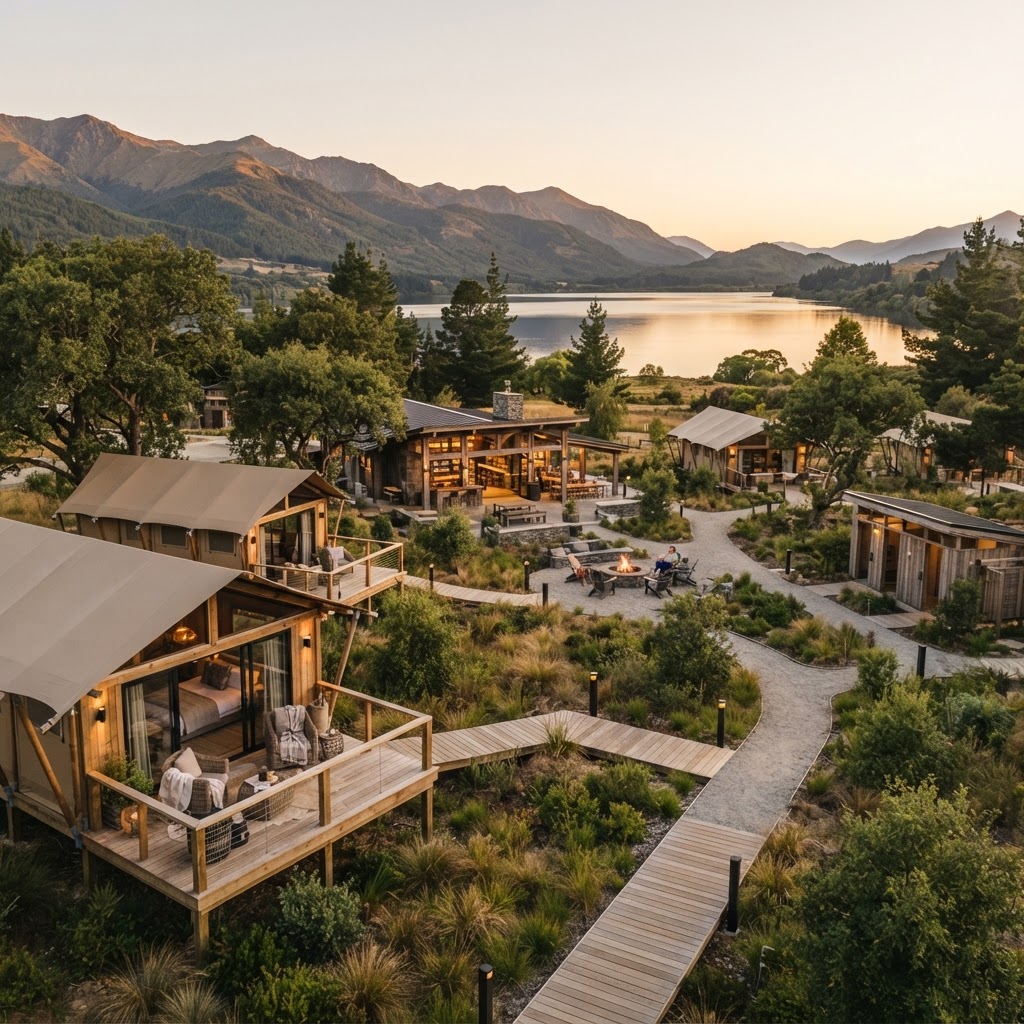
Selling a campsite in 2026 requires a strategic approach that combines in-depth market knowledge with careful planning. At Stay4Hospitality, we offer authoritative guidance on how to sell a campsite successfully, helping you enhance your property's value while adeptly handling the intricacies of the global hospitality market. This all-encompassing guide walks you through essential steps, including preparation, pricing strategies, legal considerations, and marketing tactics. Understanding the timeline of the sales process is crucial, and you can find more details in our FAQ on how long it takes to sell a hospitality property. Equip yourself with the insights needed to make informed decisions and achieve a successful sale.
Key Takeaways
- Thorough preparation is key to successfully selling a campsite.
- Understanding your campsite's unique value proposition can enhance its market appeal.
- Legal compliance is crucial to avoid potential pitfalls during the sale.
- A well-executed marketing strategy can significantly increase buyer interest.
- Engaging professional valuation services ensures accurate pricing.
- Avoid common mistakes by learning from expert advice and industry benchmarks.
- Stay4Hospitality offers valuable resources and tools to streamline the sales process.
Understanding the Campsite Market in 2026
Understanding the Campsite Market in 2026
The global campsite market in 2026 is experiencing dynamic shifts driven by evolving consumer preferences and economic factors. Eco-friendly tourism and sustainable travel are at the forefront, with buyers increasingly seeking properties that support these values. This trend is mirrored in the rise of glamping and off-grid camping, which cater to eco-conscious travelers looking for unique experiences without compromising comfort.
In terms of economic factors, the continued growth of the global outdoor recreation industry—projected to reach USD 900 billion by 2030—demonstrates strong demand for quality camping destinations. Buyers are particularly interested in campsites with potential for value-added services, such as guided tours, adventure activities, and wellness retreats.
Regional Market Analysis
North America remains the largest campsite market globally, with average sale prices ranging from USD 1.2 million to USD 4.5 million depending on location, size, and amenities. The glamping segment has grown by 26% year-on-year, with luxury safari tents and eco-lodges commanding premium prices. Buyer demographics skew toward private equity investors (42%) and lifestyle buyers aged 45-65 (38%), many seeking turnkey operations with established revenue streams. Campsites within the Pacific Northwest and Mountain West regions see particularly strong demand, with properties near Yellowstone, Yosemite, and the Rocky Mountains achieving sale prices 35-50% above market average.
Europe shows equally robust activity, with the UK, France, and Scandinavia leading transactions. Average campsite sale prices range from €800,000 to €3.2 million, with French coastal properties and Scottish Highland sites commanding the highest multiples. The European glamping market has expanded by 31% since 2023, driven by eco-tourism demand that now represents 68% of all new bookings. Buyer profiles include international investors (34%), hospitality groups expanding their portfolios (29%), and local entrepreneurs (37%). Properties offering carbon-neutral operations or renewable energy infrastructure sell 22% faster than conventional campsites.
The Asia-Pacific region represents the fastest-growing segment, with compound annual growth rates of 18-24% across key markets. Japan, Australia, and New Zealand lead in average sale prices (AUD 900,000 to AUD 2.8 million), while emerging markets like Thailand, Vietnam, and Indonesia attract buyers with lower entry points (USD 300,000 to USD 1.1 million). Domestic tourism growth in China and India has created unprecedented demand for experiential outdoor accommodation, with glamping sites near UNESCO World Heritage sites achieving occupancy rates above 85%. Asian buyers prioritize Instagram-worthy design elements and wellness integration, with properties featuring yoga pavilions or meditation gardens selling at 15-20% premiums.
Regionally, Europe and North America lead the market, with emerging interest in Asia-Pacific due to increased domestic travel and government initiatives promoting tourism. In these regions, campsites near national parks and popular tourist trails are in high demand. Market research suggests that campsites strategically located within two hours of major cities have a higher likelihood of attracting interest due to their accessibility for weekend travelers—these properties typically achieve 40% higher annual revenues than remote locations.
To successfully sell a campsite in 2026, understanding these trends is crucial. Sellers should position their properties to align with these market dynamics, emphasizing unique selling points that meet current buyer preferences. For comprehensive valuation guidance tailored to your region, explore our campsite valuation tools and review our complete guide to hospitality property sales.
Preparing Your Campsite for Sale
Preparing Your Campsite for Sale
Before listing your campsite for sale, it’s essential to ensure it appeals to potential buyers. Preparation involves several strategic steps that can significantly enhance the property's attractiveness and value.
-
Maintenance and Upgrades
Begin with a thorough inspection to identify areas needing repair or improvement. Key upgrades might include modernizing amenities, adding eco-friendly features like solar panels, or upgrading restroom facilities. Regular maintenance, such as landscaping and path repairs, ensures the site remains inviting. For more detailed strategies on improving visual appeal, explore our Campsite Curb Appeal and First Impressions guide.
-
Staging
Like residential properties, campsites benefit from thoughtful staging. Highlight features such as scenic views, recreation areas, and unique accommodations (e.g., yurts, cabins). Create a welcoming environment by setting up outdoor seating or fire pits in communal areas. This not only showcases the potential for outdoor enjoyment but also helps buyers envision the experience they can offer to guests.
-
Documentation
Organize all relevant documents, including operational records, maintenance logs, and financial statements. Buyers will appreciate transparency and detailed insights into the campsite’s financial health and operational history. Having a comprehensive document package ready can expedite the sales process and build buyer confidence.
-
Photography and Virtual Tours
Invest in professional photography to capture the site's best aspects. With technology becoming an integral part of the sales process, consider offering virtual tours, allowing potential buyers to explore the property remotely. This can be particularly appealing to international buyers. High-quality visuals and immersive experiences can significantly boost interest and engagement.
By following these steps, sellers can enhance their campsite's marketability, ensuring it stands out to prospective buyers and aligns with their expectations for a modern, well-maintained facility. For more insights on optimizing your property for sale, visit our Complete Guide To Selling A Hotel and explore related campsite marketing strategies.
Expert Valuation and Pricing Strategies
Expert Valuation and Pricing Strategies
Accurately valuing your campsite is crucial to setting a competitive asking price. A well-defined pricing strategy ensures you attract serious buyers and achieve a successful sale.
Valuation Methods:
- Income Approach: Evaluate the campsite's profitability by analyzing net operating income (NOI). This method is ideal for established campsites with consistent revenue streams.
- Comparable Sales Approach: Research recent sales of similar campsites in your region. Factors to consider include location, size, amenities, and occupancy rates.
- Cost Approach: Consider the replacement cost of the campsite's infrastructure and amenities, adjusting for depreciation and current market conditions.
Case Study Example: A successful valuation can greatly enhance the sale process. Consider a 50-pitch campsite in Vermont valued at $1.2M based on a 3x EBITDA multiple. This valuation reflected consistent revenue streams, strategic location, and high occupancy rates, making it attractive to potential buyers.
Professional Appraisal: Hiring a professional appraiser can provide an objective valuation, incorporating industry benchmarks and economic forecasts. An appraiser will evaluate both tangible and intangible assets, including brand value and customer loyalty. For further insights, refer to our property valuation FAQ.
Pricing Strategy:
- Competitive Pricing: Set a price that is competitive within the market while reflecting the site's unique features. Overpricing can deter potential buyers, while underpricing might leave money on the table.
- Adjust for Market Trends: Stay informed about market trends and adjust pricing accordingly. For example, properties with eco-friendly features might command a premium in current markets.
Pricing considerations are critical in ensuring a successful sale. For more information on financial strategies, visit our Campsite Sale Financing Options page.
Ultimately, a strategic approach to pricing, supported by professional valuation, will position your campsite as an attractive investment opportunity. For a comprehensive understanding of campsite sales, explore our Complete Guide To Selling A Campsite and related articles on campsite marketing strategies.
Legal and Compliance Considerations
Legal and Compliance Considerations
Navigating the legal landscape is a critical component of selling a campsite. Ensuring compliance with relevant regulations not only facilitates a smooth transaction but also builds trust with potential buyers.
-
Permits and Zoning Laws: Verify that all necessary permits are up to date. This includes land use permits, environmental clearances, and any specific local zoning requirements. Understanding zoning laws is crucial, as they dictate what activities are permissible on the property. In the UK, for instance, planning permissions are required if you intend to change the use of the land or add new structures. In the US, zoning laws vary by state and locality, often impacting the types of accommodation or amenities you can offer.
-
Environmental Regulations: Compliance with environmental regulations is essential, particularly for campsites located near protected areas. Conduct an environmental audit to ensure there are no violations, such as improper waste disposal or unauthorized alterations to the landscape. In the EU, directives may require campsites to maintain biodiversity and protect water resources, reflecting stringent environmental standards.
-
Licensing: If the campsite offers services such as dining or guided tours, ensure that all operational licenses are current. This includes food service licenses and certifications for guided activities. In regions like California, specific health department permits are mandatory for food services, while in France, guided tour operators need professional licenses.
-
Contracts and Legal Documentation: Prepare all necessary legal documents, including purchase agreements, disclosure statements, and title deeds. Consult a real estate attorney to ensure all contracts are legally sound and protect both seller and buyer interests. Additionally, understanding the tax implications of selling a campsite is crucial to avoid unexpected financial obligations.
-
Health and Safety Standards: Ensure the campsite complies with health and safety standards, including fire safety measures and sanitation protocols. In Australia, for instance, campsites must adhere to stringent fire safety regulations, reflecting the region's susceptibility to bushfires.
By proactively addressing these legal and compliance factors, sellers can mitigate risks and create a transparent, trustworthy selling process that appeals to discerning buyers. For further insights, explore our related guides on campsite marketing strategies and how to value a campsite.
Marketing Your Campsite Effectively
Advanced Marketing Strategies for Campsite Sales
Selling a campsite in 2026 requires a nuanced approach that combines digital expertise with traditional marketing techniques. To attract potential buyers, leverage a mix of channels and methodologies that highlight your campsite's unique attributes and ensure broad market exposure. For a comprehensive guide, refer to our Online Marketing Strategies for Campsite Sales.
Digital Advertising
Utilize platforms like Google Ads and Facebook Ads to target specific demographics interested in purchasing hospitality properties. Tailor your ads with compelling imagery and descriptions that showcase the best features of your campsite, such as scenic views, nearby attractions, and amenities. Budgeting wisely is key—consider starting with a daily ad spend of $20-$50, adjusting based on engagement metrics. For more insights, visit our How to List Your Campsite Globally page.
Social Media Engagement
Social media platforms, particularly Instagram and LinkedIn, are crucial for reaching potential buyers. Use Instagram to share engaging photos and videos of your campsite, focusing on its natural beauty and guest experiences. On LinkedIn, connect with hospitality industry professionals and investors, sharing insights and updates about your property. This approach not only builds interest but also establishes your credibility in the market.
Leveraging Stay4Hospitality's Platform
Stay4Hospitality offers a specialized marketplace for hospitality properties, including campsites. By listing your campsite here, you tap into a network of motivated buyers. Optimize your listing with high-quality images, detailed descriptions, and virtual tours. Highlight unique selling points—such as eco-friendly practices or historical significance—to stand out. This platform enhances your property's visibility and connects you with serious buyers.
Email Marketing Campaigns
An often overlooked but powerful tool is email marketing. Build a list of potential buyers and send them regular updates. Share success stories, market trends, and exclusive insights into your campsite. A well-crafted email campaign can maintain buyer interest and drive inquiries. Consider segmenting your email list to tailor messages according to buyer preferences, further increasing engagement.
By employing these advanced marketing strategies, you can significantly increase your chances of selling your campsite effectively. Remember, the key is to create a compelling narrative that resonates with potential buyers and showcases the true value of your property. For more detailed strategies, explore our Online Marketing Strategies for Campsite Sales and related resources.
Avoiding Common Pitfalls in Campsite Sales
Identifying and Avoiding Common Mistakes in Selling Campsites
When selling a campsite, it's crucial to be aware of and avoid common pitfalls that can delay or derail the sales process. Drawing insights from industry experts and successful case studies can help streamline your efforts.
Overpricing the Property
One of the most frequent mistakes is setting the asking price too high. Conduct a comprehensive market analysis to determine a realistic price. Compare similar properties in your area and consider factors like location, amenities, and current market demand. Overpricing can deter potential buyers, leading to longer listing times.
Neglecting Property Maintenance
Before listing your campsite, ensure it is in top condition. Address any maintenance issues—such as plumbing, electrical systems, or landscaping—to make a positive first impression. A well-maintained property not only attracts buyers but also supports your asking price.
Inadequate Marketing
Relying solely on traditional methods can limit your reach. As discussed in the marketing section, integrate digital strategies to broaden visibility. Use detailed listings, high-quality visuals, and targeted advertising to attract a wider audience.
Poor Buyer Communication
Effective communication is key. Be responsive to inquiries and provide clear, concise information. A lack of communication can create frustration and disinterest among potential buyers. Utilize customer relationship management (CRM) tools to track interactions and follow-ups efficiently.
Ignoring Expert Advice
Consult with real estate professionals who specialize in hospitality properties. Their expertise can provide valuable insights and guidance throughout the sales process. Avoiding their advice can lead to overlooked opportunities or unforeseen challenges.
By being aware of these common pitfalls and taking proactive measures, you can enhance your chances of a successful campsite sale. Remember, preparation and clear communication are essential components in achieving your sales goals.
Engaging with Prospective Buyers
Effective Engagement and Negotiation Tactics
Engaging with prospective buyers is a critical phase in selling your campsite. The way you present your property and negotiate terms can significantly influence the sale outcome.
Highlighting Unique Selling Points
Begin by identifying and showcasing your campsite's unique features. These could include eco-friendly initiatives, exclusive locations, or historical significance. Use storytelling to create an emotional connection with potential buyers. For instance, share stories of past guests' experiences or the property's history to add a layer of appeal.
Preparing for Buyer Interactions
Before meeting with potential buyers, prepare thoroughly. Anticipate questions regarding the property's history, financial performance, and future potential. Having financial statements and operational reports on hand can build trust and demonstrate transparency. For more insights, visit our Campsite Buyer Engagement Best Practices page.
Buyer Qualification Criteria
Not every interested party is a qualified buyer. Assess their financial capability, experience in managing similar properties, and their vision for the campsite's future. Request proof of funds or a pre-approval letter from a financial institution. Understanding their motivations and plans can help you tailor your approach, ensuring that the buyer aligns with your expectations and the property's potential. Learn more about what buyers look for in our What Do Hotel Buyers Look For Before Making an Offer? FAQ page.
Negotiation Tactics
Successful negotiation requires a balance of assertiveness and flexibility. Set clear boundaries for your minimum acceptable terms, but remain open to discussions. Consider offering incentives such as flexible payment terms or including certain fixtures and equipment in the sale.
Building Rapport
Building a positive rapport with buyers can facilitate smoother negotiations. Listen actively to their needs and concerns, and provide honest, thoughtful responses. Establishing a foundation of trust can lead to more favorable terms and a quicker sale.
Closing the Deal
Once an offer is made, work closely with your legal and financial advisors to ensure all contracts and agreements are in order. Having a structured closing process minimizes last-minute complications and ensures a seamless transaction.
By effectively engaging with prospective buyers and employing strategic negotiation tactics, you can maximize the potential for a successful sale, ensuring both parties leave the transaction satisfied.
For a comprehensive guide on selling a campsite, visit our Complete Guide To Selling A Hotel page.
Resources and Tools for Campsite Sellers
Essential Resources and Tools for Selling Your Campsite
To streamline the process of selling your campsite, it's crucial to leverage the right tools and resources. Stay4Hospitality offers a comprehensive suite of downloadable materials designed to assist you every step of the way.
Downloadable Checklists
- Pre-Sale Preparation Checklist: Ensure your campsite is ready for sale by following a detailed checklist that covers maintenance, legal documentation, and marketing strategies.
- Buyer Engagement Checklist: Guide your interactions with prospective buyers by preparing key information and questions.
Guides and Tutorials
- Comprehensive Selling Guide: Access a thorough guide that outlines the entire process of selling a campsite, from listing to closing.
- Marketing Strategy Tutorials: Learn how to effectively market your campsite using digital platforms and traditional methods.
Tools for Sellers
- Valuation Calculator: Use our tool to estimate your campsite's market value based on current trends and comparable sales.
- CRM Systems: Implement a customer relationship management system to efficiently track buyer inquiries and interactions.
| Resource Type | Description |
|---|---|
| Checklists | Step-by-step guides for pre-sale and buyer engagement |
| Guides | In-depth resources on selling strategies |
| Tools | Valuation calculators and CRM systems |
Accessing Stay4Hospitality Resources
Visit our Resource Hub to download these materials and explore additional tools that can aid in your selling journey. By utilizing these resources, you can enhance your strategic approach and ensure a more efficient and successful sale.
For sellers ready to list their properties, take the next step and list your property with us. Additionally, explore our current listings of campsites for sale for market research and insights into global campsite market trends.
Whether you're a first-time seller or looking to optimize your sales process, Stay4Hospitality provides the support you need to achieve your goals successfully.
Step-by-Step Timeline for Selling Your Campsite
Step-by-Step Timeline for Selling Your Campsite
Successfully selling a campsite requires strategic planning and execution. This timeline offers a month-by-month breakdown to guide you through the process, ensuring you maximize your property's value and attract the right buyers.
Months 1-2: Preparation
- Assess and Enhance: Begin by evaluating your campsite's current state. Identify areas for improvement—whether it's upgrading facilities or enhancing landscaping—to increase appeal and value.
- Documentation Gathering: Compile essential documents such as financial records, permits, and maintenance logs. This groundwork is crucial for smooth transactions later.
- Professional Appraisal: Engage with a professional appraiser to determine your campsite's market value. This step aligns with the strategies outlined in our Expert Valuation and Pricing Strategies.
Months 3-4: Marketing
- Develop a Marketing Plan: Craft a comprehensive marketing strategy that highlights your campsite's unique features. Utilize digital platforms, social media, and industry networks to reach potential buyers globally.
- Professional Photography: Invest in high-quality images and virtual tours to showcase your campsite online. First impressions are crucial in attracting serious buyers.
- Launch Marketing Campaign: Execute your marketing plan, leveraging targeted ads and listings on hospitality marketplaces like Stay4Hospitality.
Month 5: Negotiations
- Engage with Interested Buyers: Begin discussions with potential buyers. Be prepared to answer questions about the campsite's operations and profitability.
- Offer Evaluation: Assess offers carefully, considering not just the price but also the terms and conditions. Consult with a financial advisor if needed.
Month 6: Due Diligence
- Facilitate Buyer Inspections: Allow buyers to conduct thorough inspections. Transparency during this phase fosters trust and can expedite the sales process.
- Resolve Queries: Address any concerns or questions buyers may have, ensuring all parties are satisfied with the insights provided.
Months 7-8: Closing
- Finalize Agreements: Work with legal professionals to draft and finalize sales agreements. Ensure all terms are clear and mutually agreed upon.
- Transfer Ownership: Complete the necessary paperwork to transfer ownership. Coordinate with all parties involved to ensure a seamless transition.
For a comprehensive understanding of the timeframes involved, refer to our FAQ on How Long It Takes to Sell a Hospitality Property.
By following this timeline, you can navigate the complexities of selling a campsite with confidence and efficiency, ultimately achieving a successful sale in the global market.
Frequently Asked Questions
Related Resources
- List Your Property
- Property Valuation
- Selling Guide
- For Owners
- Contact Us
- explore financing options for campsite buyers
- effective online marketing strategies for campsite sales
- understand campsite sale tax implications
- enhance your campsite's curb appeal before listing
- proven campsite buyer engagement strategies
- list your campsite for sale to a global audience
- What do buyers look for before making an offer?
- How long does it take to sell a hospitality property?
- Do I need a property valuation before listing?
- What makes a hospitality business sell faster?
- Calculate your potential ROI
- Create professional marketing materials with AI
- Browse campsites currently for sale
- View all hospitality properties for sale
Reader Feedback
Share your thoughts on "How to Sell a Campsite Successfully". Feedback is reviewed by AI and must relate to this topic before it's published.