
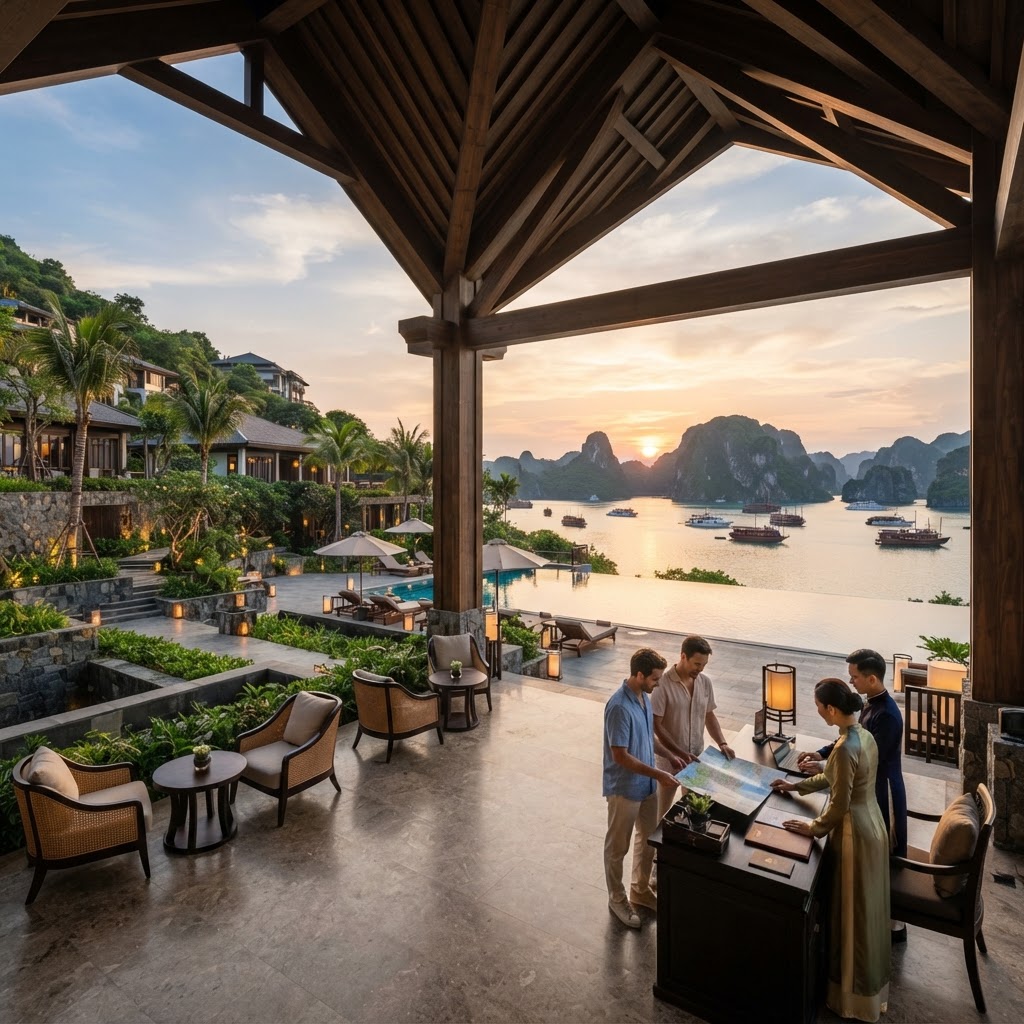
If you're considering a venture into Southeast Asia's bustling hospitality market, understanding how to buy a hotel in Vietnam is a critical first step. Whether you're acquiring your first property or expanding your portfolio—or eventually looking to sell your hotel in Vietnam—understanding the local market is crucial. This comprehensive guide by Stay4Hospitality will walk you through the necessary steps, covering everything from legal requirements to financial considerations, ensuring a smooth acquisition process. As Vietnam continues to grow as a top tourist destination in 2026, this page serves as your authoritative resource for making informed investment decisions in the dynamic Vietnamese hospitality sector.
Key Takeaways
- Vietnam's hospitality market is thriving, making it an attractive destination for hotel investments.
- Navigating Vietnamese legal requirements is crucial for a successful hotel purchase.
- Understanding local market trends can provide a competitive edge.
- Financial planning, including securing financing, is key to a successful acquisition.
- Partnering with local experts can simplify the buying process and mitigate risks.
What Are the Steps to Buying a Hotel in Vietnam?
What Are the Steps to Buying a Hotel in Vietnam?
Purchasing a hotel in Vietnam offers promising returns, but it's crucial to approach the process with a well-informed strategy. Here's a comprehensive guide to assist you:
-
Conduct Market Research: Start by gaining a deep understanding of the Vietnamese hotel market. Analyze trends, demand patterns, and growth prospects. While major cities like Ho Chi Minh City and Hanoi are prime locations, don't overlook emerging areas such as Da Nang and Nha Trang, which present unique investment opportunities.
-
Define Your Investment Criteria: Clearly outline what type of hotel you intend to purchase—be it luxury, boutique, or budget. Identify your target demographic, as this will shape your property search and financial strategy.
-
Engage a Local Real Estate Agent: Collaborate with a real estate agent who has expertise in Vietnamese hospitality properties. Their local knowledge is invaluable for uncovering potential listings and facilitating negotiations.
-
Conduct Due Diligence: Upon identifying a prospective property, execute comprehensive due diligence. This involves verifying legal titles, scrutinizing financial records, and assessing the property's physical condition. Ensure there are no outstanding liabilities or hidden issues.
-
Understand Legal Requirements: Familiarize yourself with Vietnam’s legal framework regarding foreign ownership. This includes understanding restrictions, necessary permits, and compliance requirements to ensure a seamless transaction.
-
Arrange Financing: Explore various financing avenues. Both local and international banks offer loans, and private equity firms can be viable alternatives. Evaluate terms carefully to secure the best deal.
-
Negotiate and Make an Offer: Leverage your agent's expertise to negotiate favorable terms. Consider factors such as purchase price, contingencies, and potential renovation costs.
-
Close the Deal: Once negotiations conclude, proceed to finalize the transaction. Ensure all paperwork is in order and that you comply with Vietnam’s legal and regulatory standards.
-
Post-Purchase Management: Develop a robust management plan post-acquisition. This is critical to optimizing hotel operations and achieving maximum returns on your investment.
By adhering to these steps, investors can adeptly navigate the intricacies of acquiring a hotel in Vietnam, paving the way for a successful and profitable investment.
For detailed guidance on evaluating property value during your search, see our guide on Vietnamese hotel property valuation.
What Legal Requirements Must Be Met?
What Legal Requirements Must Be Met?
For foreign investors eyeing the vibrant hospitality market in Vietnam, understanding the legal landscape is crucial. Here are the key legal considerations:
Ownership Regulations
Foreign investors can own property in Vietnam, but there are specific restrictions to consider. Typically, foreigners are permitted to lease land for up to 50 years, with the possibility of extensions. This aligns with Vietnam's legal framework, which allows for foreign ownership through leasehold rights rather than freehold.
Business Registration
Establishing a business entity is a prerequisite for acquiring and managing a hotel in Vietnam. Investors commonly choose between forming a Joint Venture or a 100% Foreign-Owned Enterprise. This step is critical to ensure compliance with local business operation laws.
Investment Approvals
To legally operate in Vietnam, foreign investors must obtain both an Investment Registration Certificate (IRC) and an Enterprise Registration Certificate (ERC) from the Vietnamese government. These documents formalize the investment and enable lawful business activities.
Compliance with Local Laws
Ensuring adherence to Vietnam’s property laws, environmental regulations, and labor laws is essential. Compliance not only avoids potential legal issues but also fosters a positive business environment. Investors should be particularly mindful of the Law on Investment and the Law on Enterprises.
Hiring Legal Expertise
Engaging a local legal expert is indispensable for navigating Vietnam’s legal complexities. These professionals can assist with due diligence, contract negotiations, and ensuring all regulatory requirements are met. Their expertise is invaluable in facilitating a seamless transaction process.
Navigating these legal requirements can be complex, but with proper guidance and preparation, investors can ensure a smooth entry into the Vietnamese hotel market. For further insights, explore our Vietnam Hotel Acquisition Guide and Hotel Valuation Tools.
Related Questions
- How does the legal framework in Vietnam compare to other Southeast Asian countries?
- What are the common challenges faced by foreign investors in Vietnam?
For more detailed guidance on hotel investments in Vietnam, visit our Hotel Investment in Vietnam page.
How Much Does It Cost to Buy a Hotel in Vietnam?
How Much Does It Cost to Buy a Hotel in Vietnam?
Purchasing a hotel in Vietnam presents a diverse range of financial considerations, heavily influenced by the property's location, size, and type. Here's a detailed look at the potential costs involved:
Property Prices
- Urban Areas: In bustling cities like Ho Chi Minh City, hotel prices can start at approximately $1 million for smaller establishments and escalate to tens of millions for luxury hotels catering to international clientele.
- Tourist Destinations: In sought-after locations such as Da Nang or Nha Trang, prices fluctuate significantly, often determined by the hotel's proximity to the beach or city center, with premium spots commanding higher prices.
Use our property valuation tool to estimate the market value of hotels you're considering.
Taxes and Fees
- Value Added Tax (VAT): Expect a standard 10% VAT on the property's assessed value.
- Land Use Rights Transfer Tax: Typically around 2% of the property value, this tax is crucial for transferring land use rights, a necessary step in property acquisition.
Additional Costs
- Legal Fees: Legal services, which include contract review and compliance checks, usually range from $5,000 to $10,000.
- Due Diligence and Inspection Costs: Comprehensive due diligence and property inspections can cost between $2,000 and $5,000. These are essential to ensure the property meets all regulatory and safety standards.
Operational Costs
After acquisition, investors should plan for ongoing expenses such as renovations, staffing, and marketing. Renovation costs can vary widely based on the property's condition and the level of upgrades required to meet market expectations.
For deeper analysis of pricing factors, explore our Vietnamese hotel property valuation guide.
Expert Guidance & Context
Investors are advised to engage with local real estate experts and legal advisors to navigate the complexities of the Vietnamese hospitality market effectively. Understanding local market trends and regulatory requirements is crucial for making informed investment decisions.
Related Questions
- What are the legal requirements for buying a hotel in Vietnam?
- How can foreign investors finance hotel purchases in Vietnam?
For more comprehensive guidance, explore our hotel acquisition services and learn about the legal framework for foreign investors.
By understanding these costs and leveraging expert resources, investors can strategically plan their entry into Vietnam's burgeoning hospitality sector.
What Financing Options Are Available for Hotel Purchases?
What Financing Options Are Available for Hotel Purchases?
Financing a hotel purchase in Vietnam involves understanding the diverse options available to investors. Here's a detailed look at the potential financing avenues:
Local Banks
Vietnamese banks are a primary source of financing for hotel acquisitions. They typically offer loans with interest rates ranging from 7% to 9% annually. However, these loans often require significant collateral, and the approval process can be stringent.
International Banks
International banks operating in Vietnam provide competitive loan packages, often with more favorable terms than local banks. These institutions may offer lower interest rates but generally require extensive documentation and a proven track record in the hospitality sector.
Private Equity Firms
For larger hotel deals, private equity firms present a viable financing option. These firms invest in high-growth hospitality projects, sharing both risks and rewards with the investors. Private equity can be particularly advantageous for those looking to leverage expertise and capital.
Joint Ventures
Partnering with local firms through joint ventures can be an effective strategy to secure additional capital and gain valuable local insights. Joint ventures not only provide financial support but also facilitate smoother entry into the Vietnamese market by leveraging local expertise.
Government Incentives
The Vietnamese government actively promotes foreign investment in the tourism sector, offering various incentives such as tax breaks and favorable lease terms. These incentives can significantly reduce the financial burden of hotel acquisitions and enhance the investment's profitability.
By exploring these financing options, investors can align their investment strategies with the dynamic opportunities in Vietnam's hospitality market. For a comprehensive overview of financing structures, see our guide on financing options for purchasing hospitality properties.
To further refine your investment plan, calculate potential returns using our ROI calculator to model different financing scenarios.
Common Mistakes to Avoid When Buying a Hotel in Vietnam
Common Mistakes to Avoid When Buying a Hotel in Vietnam
When considering how to buy a hotel in Vietnam, investors often encounter several pitfalls. Avoiding these common mistakes can enhance your chances of a successful acquisition.
Overlooking Vietnam's Complex Zoning Regulations
A frequent error is overlooking Vietnam's zoning regulations, particularly in tourist hotspots like Hoi An and Phu Quoc. These areas have stringent heritage preservation rules that can restrict renovations. Failing to comply can lead to legal complications and potential financial losses. It's essential to understand these regulations and consult with local authorities before making any structural changes.
Underestimating Local Staffing Dynamics and Business Culture
Another mistake is underestimating the importance of local staffing dynamics and Vietnamese business culture. In Vietnam, relationship-building, known as quan hệ, is crucial for obtaining permits and negotiating with suppliers. Investors should prioritize hiring a knowledgeable local team and foster strong relationships with key stakeholders to ensure smooth operations and compliance with local norms.
Overlooking Location Importance
One of the primary mistakes is underestimating the significance of a hotel's location. A prime location in Vietnam's bustling cities like Ho Chi Minh City or Hanoi can significantly influence occupancy rates and pricing power. Consider proximity to tourist attractions, transport links, and business districts when evaluating potential properties.
Inadequate Financial Planning
Failing to conduct a thorough financial analysis is another frequent error. Investors should:
- Evaluate the initial purchase cost against the projected ROI.
- Account for operational costs such as staffing, maintenance, and utilities.
- Consider potential currency fluctuations as Vietnam uses the Vietnamese Dong (VND).
Ignoring Legal Due Diligence
Vietnam’s legal framework can be complex for foreign investors. It's crucial to:
- Verify the property’s legal status and ownership.
- Understand zoning laws and local regulations.
- Engage with a local legal advisor familiar with Vietnamese property law.
Neglecting Market Research
Entering the market without adequate research can lead to unrealistic expectations.
- Study the competitive landscape—who are the main competitors, and what are their strengths?
- Analyze tourism trends, such as the increasing influx of international tourists projected to rise by 7% annually by 2030.
Before making an offer, understand what hotel buyers look for before making an offer to avoid common valuation errors.
By avoiding these pitfalls and conducting comprehensive research and planning, investors can enhance their success in the Vietnamese hotel market.
How to Conduct Due Diligence on a Vietnamese Hotel Property
How to Conduct Due Diligence on a Vietnamese Hotel Property
Conducting thorough due diligence is critical before purchasing a hotel in Vietnam. This process helps ensure that the investment is sound and aligns with your business goals, while uncovering potential risks specific to Vietnam's regulatory environment.
Legal and Regulatory Checks
Title Verification is particularly complex in Vietnam due to land ownership restrictions. Confirm the current owner has clear title through the Red Book (Certificate of Land Use Rights), and verify there are no disputes or encumbrances. For foreign investors, ensure the property structure complies with Vietnam's foreign ownership caps—typically 30% for condotel units or 49% for corporate ownership.
Compliance with Zoning Laws requires checking that the property adheres to local master plans and hotel regulations. Vietnam's Hotel Business Law mandates specific standards for different hotel classifications (1-star to 5-star), so verify the property meets its designated category requirements.
Licenses and Permits must include the Business Registration Certificate, Fire Safety Certificate, Food Safety Certificate (if operating F&B), and the Tourism Business License issued by the provincial Department of Culture, Sports and Tourism. Missing or expired permits can delay operations by 3-6 months.
Financial Assessment
Review Financial Statements for the past three years, focusing on Vietnam-specific metrics like average daily rate (ADR) trends and seasonal occupancy patterns. Vietnamese hotels typically see peak seasons during Tet (Lunar New Year) and summer months (June-August), so analyze whether revenue reflects these cycles.
Revenue Streams should be verified independently. Beyond room bookings, examine income from events, spa services, and dining. Many Vietnamese hotels generate 20-30% of revenue from F&B operations, particularly in resort destinations like Da Nang or Phu Quoc.
Debt Obligations require careful scrutiny. Investigate any existing mortgages, supplier debts, or tax liabilities. Vietnam's Corporate Income Tax (20%) and Value Added Tax (10% for accommodation services) should be current, as unpaid tax obligations transfer to the new owner.
Physical Inspection
Property Condition assessments should include structural integrity, plumbing, electrical systems, and compliance with Vietnam's National Technical Regulation on Fire Prevention and Fighting for Buildings (QCVN 06:2021). Engage a local surveyor familiar with Vietnamese building codes, as standards differ from Western markets.
Maintenance Records reveal the property's upkeep history. In Vietnam's tropical climate, pay particular attention to air conditioning systems, waterproofing, and mold prevention measures. Deferred maintenance on these items can cost ₫500 million to ₫2 billion (US$20,000-$80,000) to rectify.
Market Position and Operational Analysis
Competitive Analysis should benchmark the hotel against similar properties in the same district or tourism zone. Compare RevPAR (Revenue Per Available Room), online distribution channel mix, and corporate client relationships. Vietnamese hotels increasingly rely on OTAs like Booking.com and Agoda, which typically charge 15-18% commission.
Customer Reviews on platforms like TripAdvisor, Google, and Vietnamese sites such as Traveloka provide insight into service quality and operational issues. Properties with ratings below 4.0/5.0 often require significant investment in staff training and facility upgrades.
Staff Contracts and Labor Compliance deserve special attention in Vietnam. Review all employment contracts, verify compliance with Vietnam's Labor Code, and assess whether the hotel has properly registered employees for Social Insurance (17.5% employer contribution). Labor disputes can be costly and time-consuming.
The timeline for thorough due diligence varies by property complexity—learn more about how long hotel due diligence takes to plan your acquisition schedule effectively.
Performing comprehensive due diligence not only mitigates risks but also provides a clearer picture of the property's potential profitability in Vietnam's evolving hospitality market. Engage local legal counsel, accountants, and property surveyors who understand Vietnamese regulations to ensure nothing is overlooked.
What Are the Current Market Trends in Vietnamese Hospitality?
What Are the Current Market Trends in Vietnamese Hospitality?
Staying abreast of the current market trends in Vietnam's hospitality sector is crucial for investors aiming to make informed decisions. Here’s a detailed look at the prevailing trends shaping this vibrant market:
Booming Tourism Industry
Vietnam's tourism industry is witnessing remarkable growth, with international arrivals projected to reach 25 million by 2030. Key cities such as Da Nang and Nha Trang are gaining popularity, thanks to their stunning beaches and rich cultural heritage. This surge in tourist numbers is creating a robust demand for hotels across various segments.
Rise of Domestic Travel
The rise of domestic tourism is another significant trend, driven by an expanding middle class with greater disposable income. This has resulted in increased demand for budget to mid-range accommodations, especially in secondary cities like Hue and Can Tho, where travelers seek affordable yet comfortable lodging options.
Digital Transformation
Vietnam's hospitality sector is rapidly integrating digital solutions to enhance operational efficiency and customer satisfaction. Hotels are increasingly adopting smart technologies, such as mobile apps for seamless bookings, AI-driven customer service, and contactless check-in/check-out processes. This digital shift is not only enhancing guest experiences but also streamlining hotel operations.
Sustainable Practices
Sustainability is becoming a core focus in Vietnam's hospitality industry. There is a growing emphasis on eco-friendly practices, such as implementing energy-efficient systems, reducing waste, and promoting sustainable tourism. Investors are encouraged to integrate these practices to attract eco-conscious travelers and align with global sustainability standards.
Investment Opportunities
The Vietnamese government is actively supporting the tourism sector by offering incentives like tax breaks and infrastructure development. These measures are part of a broader strategy to achieve a tourism-driven GDP growth of 10% by 2030. As a result, the market presents diverse investment opportunities, particularly in developing new properties and upgrading existing ones to meet international standards.
Understanding these market dynamics allows investors to tailor their strategies effectively and maximize potential returns. To maximize returns in this growing market, explore strategies in our guide on maximizing ROI on Vietnamese hotel investments. Use our ROI calculator to model investment scenarios based on current market trends.
What Are Your Next Steps After Purchasing a Hotel?
What Are Your Next Steps After Purchasing a Hotel in Vietnam?
After successfully acquiring a hotel in Vietnam, it's crucial to navigate specific post-acquisition steps to ensure operational success and regulatory compliance.
Navigating Vietnam's Business Registration Process
- Enterprise Registration Certificate (ERC) Renewal: If there's a change in ownership, updating the ERC is mandatory. This involves submitting the required documents to the Department of Planning and Investment in your hotel's locality.
- Tax Registration: Ensure that your hotel is registered with the local tax authorities to comply with Vietnamese tax laws.
Building Local Relationships
- Engage with Local Tourism Boards: Establish connections with entities like the Ho Chi Minh City Tourism Department to gain marketing support and ensure regulatory compliance. This collaboration can enhance your hotel's visibility and align it with local tourism strategies.
- Community Engagement: Participate in local business associations and community events to build a strong local network and reputation.
Operational Setup
- Staff Recruitment and Training: Hire experienced personnel and provide comprehensive training to maintain high service standards. Consider local hiring to better integrate into the community.
- System Implementation: Implement property management systems for reservations, billing, and guest services to streamline operations and improve efficiency.
Marketing and Branding
- Develop a Marketing Strategy: Leverage digital marketing, partnerships with travel agencies, and special promotions to attract guests. Tailor your strategy to target both international and domestic tourists.
- Brand Positioning: Define a unique selling proposition (USP) that sets your hotel apart from competitors, focusing on what makes your location and services unique.
Guest Experience Enhancement
- Customer Feedback Systems: Establish channels for guests to provide feedback and reviews, which are vital for continuous improvement of services.
- Loyalty Programs: Implement loyalty programs to encourage repeat business and enhance customer retention.
Financial Management
- Budget Planning: Develop a detailed budget that accounts for projected income, expenses, and cash flow. This is essential for maintaining financial health.
- Regular Financial Reviews: Conduct monthly financial reviews to monitor performance against financial goals and make necessary adjustments.
For investors considering portfolio diversification, explore opportunities to sell your hotel in Vietnam when market conditions favor exits. Continue optimizing your investment with our guide to maximizing ROI on Vietnamese hotel investments.
Taking these steps ensures your hotel operates smoothly, meets customer expectations, and achieves financial success. For further guidance, explore our comprehensive resources on hotel management and investment strategies.
Frequently Asked Questions
Related Resources
- Understanding Vietnamese Resort Ownership Laws
- Financing Your Resort Purchase in Hanoi
- Hanoi Resort Market Trends 2026
- Evaluating Resort Investment Opportunities in Hanoi
- List Your Resort for Sale in Hanoi
- Understanding Vietnamese Hotel Property Valuation
- Maximizing ROI on Vietnamese Hotel Investments
- Sell Your Hotel in Vietnam
- What financing options are available for purchasing hospitality properties
- How long does hotel due diligence typically take
- What Do Hotel Buyers Look For Before Making an Offer?
- Property Valuation Tool
- Hospitality ROI Calculator
Reader Feedback
Share your thoughts on "How to Buy a Hotel in Vietnam". Feedback is reviewed by AI and must relate to this topic before it's published.