
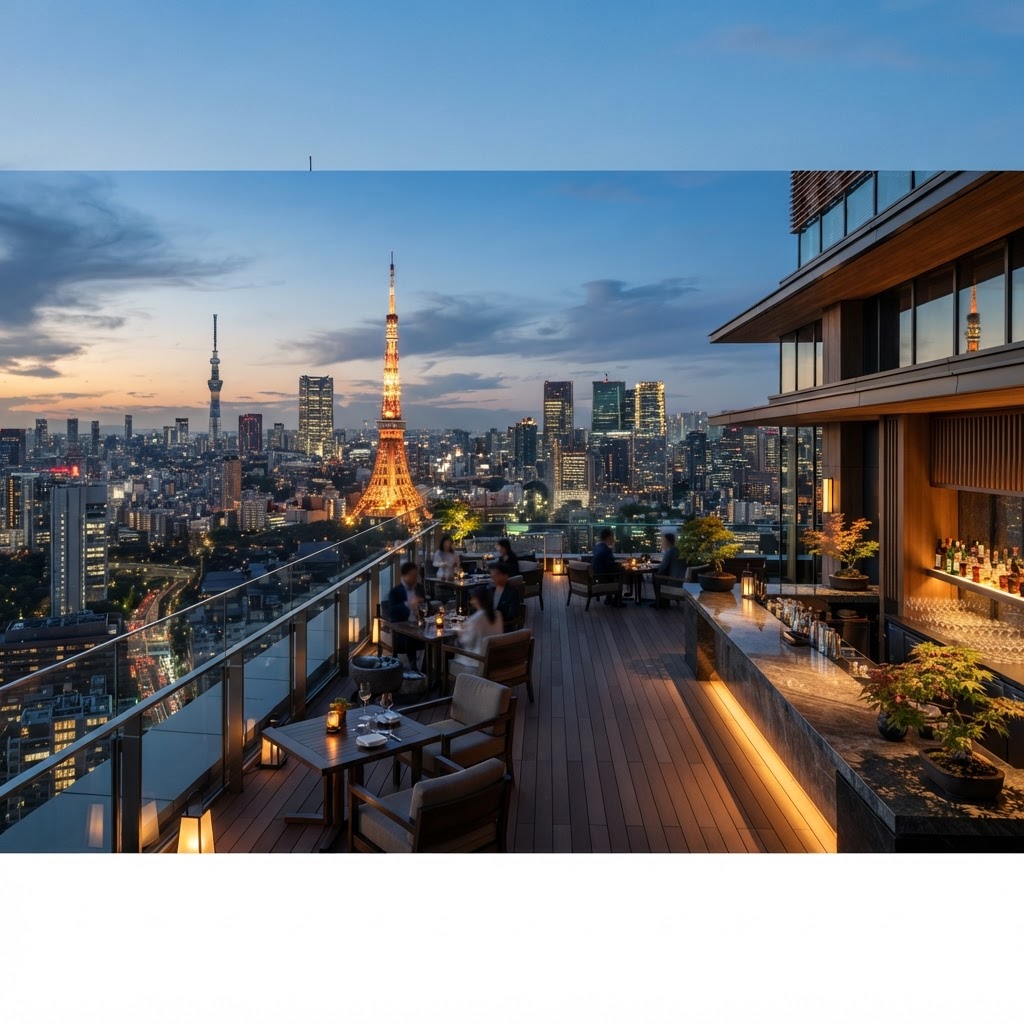
Buying hotels in Tokyo presents a unique opportunity for hospitality investors looking to tap into one of the world's most vibrant and profitable markets. As a global hub of business, tourism, and culture, Tokyo offers a diverse range of hotel investment options, from luxury high-rises to boutique accommodations. This comprehensive guide will walk you through the entire process of purchasing a hotel in Tokyo, offering expert advice, legal insights, and strategic considerations to ensure your investment is successful. Stay4Hospitality is committed to providing you with the essential knowledge and resources to make informed decisions in this dynamic market.
Key Takeaways
- Tokyo's hotel market offers lucrative investment opportunities due to its thriving tourism and business sectors.
- Understanding the local real estate landscape is crucial for informed hotel acquisitions in Tokyo.
- Legal compliance and zoning regulations in Tokyo require careful navigation by potential hotel buyers.
- Financial planning and access to local financing options are essential for successful hotel investments.
- Avoiding common pitfalls can significantly increase the chances of a profitable hotel acquisition in Tokyo.
- Strategic location selection within Tokyo can enhance hotel performance and investment returns.
- Stay4Hospitality provides valuable tools and resources for investors targeting the Tokyo hotel market.
Understanding Tokyo's Hotel Market Dynamics
Overview of Tokyo's Hotel Industry
Tokyo stands as a global epicenter for tourism and business, making it a prime location for hotel investments. As of 2026, the city continues to witness a significant influx of international visitors, driven by its cultural allure and major events. Tourism remains a cornerstone, with over 14 million foreign visitors annually, contributing to the robust demand for diverse accommodation options.
Key Market Drivers
- Tourism Influx: Tokyo's rich history, world-class shopping, and culinary scene attract tourists year-round. Seasonal events such as the cherry blossom festivals and the Tokyo International Film Festival further boost hotel bookings.
- Business Travel: As a leading business hub in Asia, Tokyo hosts numerous international conferences and corporate events, enhancing the need for business-friendly hotels.
- Infrastructure Developments: Upcoming infrastructure projects, like the expansion of Haneda Airport, are set to increase travel capacity, further stimulating hotel industry growth.
Trends Influencing the Market
- Sustainability: There's a growing trend towards eco-friendly accommodations. Hotels adopting sustainable practices are seeing increased patronage and enhanced brand value.
- Technology Integration: Smart hotel solutions, including automated check-ins and AI-based customer service, are becoming standard, catering to tech-savvy travelers.
- Diverse Accommodation Types: From luxury hotels to capsule hotels, Tokyo's market offers varied options, appealing to different demographics and budgets.
Step-by-Step Guide to Acquiring Hotels in Tokyo
Step 1: Conduct Market Research
Begin by analyzing Tokyo's hotel landscape. Identify high-demand areas such as Shinjuku, Shibuya, and Ginza, which are known for their vibrant nightlife and shopping districts.
Step 2: Financial Assessment
Establish a clear budget, considering property prices, which range from ¥500 million to ¥5 billion depending on location and size. Engage financial advisors to evaluate potential returns on investment.
Step 3: Engage a Local Real Estate Agent
Partner with a local agent experienced in the Tokyo hotel market. They can provide insights into available properties, market trends, and negotiation strategies.
Step 4: Property Evaluation
Visit potential properties to assess their condition, amenities, and location advantages. Consider properties with potential for renovation to increase value.
Step 5: Secure Financing
Work with local banks or international lenders familiar with Japan's market. Favorable loan terms can often be negotiated if you have a robust business plan.
Step 6: Due Diligence
Conduct thorough due diligence, including financial audits and property inspections. Verify compliance with local zoning laws and regulations.
Step 7: Closing the Deal
Once satisfied with all assessments, proceed to finalize the purchase. Ensure all legal documents are translated accurately and signed in accordance with Japanese law.
Financial Planning for Hotel Investments in Tokyo
Budgeting and Cost Analysis
Investing in a hotel in Tokyo requires meticulous financial planning. Initial costs include property acquisition, renovation expenses, and operational setup. Expect initial investments to be in the range of ¥500 million to ¥1 billion for mid-sized hotels.
Securing Financing
Consider both local and international financing options. Japanese banks such as Mizuho Bank and Sumitomo Mitsui Banking Corporation offer competitive lending rates for foreign investors. Having a detailed business plan and financial projections enhances your chances of securing favorable terms.
Operational Costs
Plan for ongoing operational expenses, which typically include staff salaries, utilities, and maintenance. A well-managed hotel in Tokyo can achieve occupancy rates of 80% or higher, ensuring steady cash flow.
ROI Expectations
The average return on investment for hotels in Tokyo is around 6-8% annually, contingent on location, hotel category, and management efficiency. Investing in technology and sustainability can further improve profitability.
Navigating Legal and Compliance Requirements
Understanding Legal Framework
Purchasing a hotel in Tokyo involves navigating complex legal and compliance frameworks. Japan's real estate laws require foreign investors to adhere to specific regulations.
Key Legal Considerations
- Zoning Laws: Verify that the property is zoned for hotel use. Zoning restrictions can vary significantly across Tokyo's districts.
- Building Codes: Ensure compliance with local building codes, which may dictate structural modifications or safety upgrades.
- Licensing Requirements: Obtain necessary licenses, such as the Hotel Business Act license, which is mandatory for operating a hotel.
Compliance Checks
- Environmental Regulations: Consider environmental laws that may impact renovations or expansions. Compliance with energy efficiency standards can also enhance the hotel's sustainability profile.
- Tax Obligations: Understand tax implications, including property tax, consumption tax, and potential capital gains tax on future sales.
Engaging Legal Professionals
Hire a legal advisor specializing in Japanese real estate to guide you through the compliance process and ensure all transactions meet legal standards. This step is crucial to avoid potential legal pitfalls and ensure a smooth acquisition process.
Avoiding Common Mistakes in Hotel Purchases
Investing in the Tokyo hotel market can be immensely rewarding, but it comes with its unique set of challenges. To ensure a successful investment, it's crucial to avoid common pitfalls that many investors encounter.
Overlooking Location-Specific Factors
While location is a critical factor in any real estate investment, the distinct neighborhoods of Tokyo each offer different advantages and challenges. For instance, Shinjuku and Shibuya are bustling districts ideal for business travelers, whereas Asakusa might attract more tourists interested in cultural experiences. Conduct a thorough analysis of foot traffic, local attractions, and future development plans in your chosen area.
Ignoring Regulatory Requirements
Tokyo's hospitality industry is subject to stringent regulations, particularly concerning safety and zoning laws. Failing to comply can lead to costly penalties or even forced closures. Ensure you understand the Minpaku Law affecting short-term rentals and the specific fire safety regulations for hotels.
Underestimating Operational Costs
Many first-time investors underestimate the operational costs associated with running a hotel in Tokyo. From staff salaries to maintenance and utility costs, these can significantly impact your bottom line. Budget meticulously and consider the cost of employing bilingual staff, which may be necessary to cater to international guests.
Neglecting Market Research
Entering the Tokyo hotel market without comprehensive market research can lead to misguided decisions. Utilize platforms like Stay4Hospitality to access insights on occupancy rates, average daily rates (ADR), and revenue per available room (RevPAR). This helps in setting realistic financial goals and expectations.
Poor Financial Planning
It's not uncommon for investors to over-leverage in the hopes of maximizing returns. However, this can lead to financial strain, especially if market conditions shift. Balance your financing strategy with a mix of equity and debt to maintain healthy cash flow.
By being mindful of these common mistakes and taking proactive steps to mitigate them, investors can position themselves for success in Tokyo's dynamic and lucrative hotel market.
Expert Strategies for Maximizing Hotel Investment Returns
Maximizing returns on a hotel investment in Tokyo requires strategic planning and innovative approaches. Here are expert strategies that can help enhance profitability and sustainability.
Leverage Technology for Operational Efficiency
Invest in advanced property management systems (PMS) that streamline operations, from booking management to guest services. By automating routine tasks, hotels can significantly reduce labor costs and improve service delivery.
Focus on Unique Guest Experiences
Differentiate your hotel by offering unique experiences that appeal to both local and international travelers. This could include themed rooms, cultural workshops, or exclusive dining options. Creating a memorable stay encourages repeat visits and positive reviews, boosting your hotel's reputation.
Dynamic Pricing Strategies
Implement dynamic pricing models that adjust room rates based on demand fluctuations. By using algorithms that consider factors such as seasonality, local events, and competitor pricing, you can optimize revenue without sacrificing occupancy.
Sustainability Initiatives
Incorporate sustainability into your hotel operations. Eco-friendly practices not only reduce costs but also attract environmentally conscious travelers. Implement energy-saving technologies, reduce water usage, and promote recycling programs.
Collaborate with Local Businesses
Form partnerships with local businesses to offer packages and promotions that benefit both parties. For example, collaborate with nearby restaurants, tour operators, or cultural venues to create a comprehensive guest experience.
Utilize Stay4Hospitality's Resources
Stay4Hospitality provides a range of tools and resources designed to support hospitality investors. From market analysis reports to investment calculators, make use of these to inform your business strategies and decisions.
By adopting these expert strategies, investors can enhance their hotel's market position, improve profitability, and achieve long-term success in Tokyo's competitive hotel market.
Tokyo Hotel Market Data and Benchmarks
Understanding the Tokyo hotel market's specific data and benchmarks is crucial for informed investment decisions. Here's a detailed overview of the current market landscape.
Key Performance Metrics
- Occupancy Rate: As of 2026, Tokyo's average occupancy rate hovers around 85%, reflecting a robust demand driven by both business and leisure travelers.
- Average Daily Rate (ADR): The ADR in Tokyo is approximately $250, influenced by high demand in central districts like Ginza and Marunouchi.
- Revenue per Available Room (RevPAR): Currently, RevPAR stands at $212, indicating strong revenue generation capabilities for well-positioned properties.
Market Trends and Insights
- Post-Olympics Growth: The 2020 Olympics spurred significant infrastructure development, which continues to benefit the hospitality sector.
- Rise in Domestic Tourism: With increasing domestic travel, hotels are seeing a diversification in their guest demographics.
- Emergence of Boutique Hotels: There's a growing trend towards boutique hotels that offer personalized services and unique experiences.
Benchmarking Against Competitors
For investors, benchmarking against similar properties is essential. Consider factors such as:
- Location: Proximity to transport hubs and attractions can significantly impact performance.
- Amenities: Facilities like spas, gyms, and business centers add value and justify higher rates.
- Guest Reviews: Maintaining high ratings on platforms like TripAdvisor can enhance your property's appeal.
| Metric | Tokyo Average | Competitor Benchmark |
|---|---|---|
| Occupancy Rate | 85% | 80-90% |
| ADR | $250 | $230-$270 |
| RevPAR | $212 | $200-$220 |
Utilizing these data points and benchmarks, investors can better assess potential investments and make strategic decisions aligned with market trends.
Next Steps and Resources for Aspiring Hotel Investors
Embarking on a journey to invest in Tokyo's hotel market requires access to the right tools and resources. Here's how Stay4Hospitality can guide you through the process.
Leverage Our Comprehensive Tools
Stay4Hospitality offers a suite of tools designed to support investors at every stage of their journey:
- Investment Calculators: Calculate potential returns and assess financial feasibility with our specialized calculators.
- Market Analysis Reports: Gain insights into market trends and forecasts to inform your investment strategy.
- Property Listings: Access a curated selection of hotel properties for sale in Tokyo, tailored to various investment goals.
Educational Resources and Guides
Educate yourself with our extensive library of guides and articles. Topics range from understanding Tokyo's hospitality regulations to advanced investment strategies.
- Webinars and Workshops: Participate in our expert-led sessions that cover the latest industry trends and investment techniques.
- Investor Community: Join our network of like-minded investors to share experiences, insights, and opportunities.
Taking the First Steps
- Define Your Investment Goals: Clearly outline your objectives, whether they're focused on short-term gains or long-term growth.
- Conduct Due Diligence: Utilize our tools to perform comprehensive due diligence on potential properties.
- Engage with Local Experts: Connect with local real estate agents and consultants through our platform to gain on-the-ground insights.
- Plan for Financing: Explore various financing options, including partnerships and equity investments, to fund your purchase.
By leveraging Stay4Hospitality's resources and following these steps, aspiring investors can confidently navigate the complexities of the Tokyo hotel market and achieve their investment goals. For more information, visit our Parent Pillar Page and explore related guides on our website.
Frequently Asked Questions
Related Resources
Reader Feedback
Share your thoughts on "Guide to Buying Hotels in Tokyo". Feedback is reviewed by AI and must relate to this topic before it's published.