
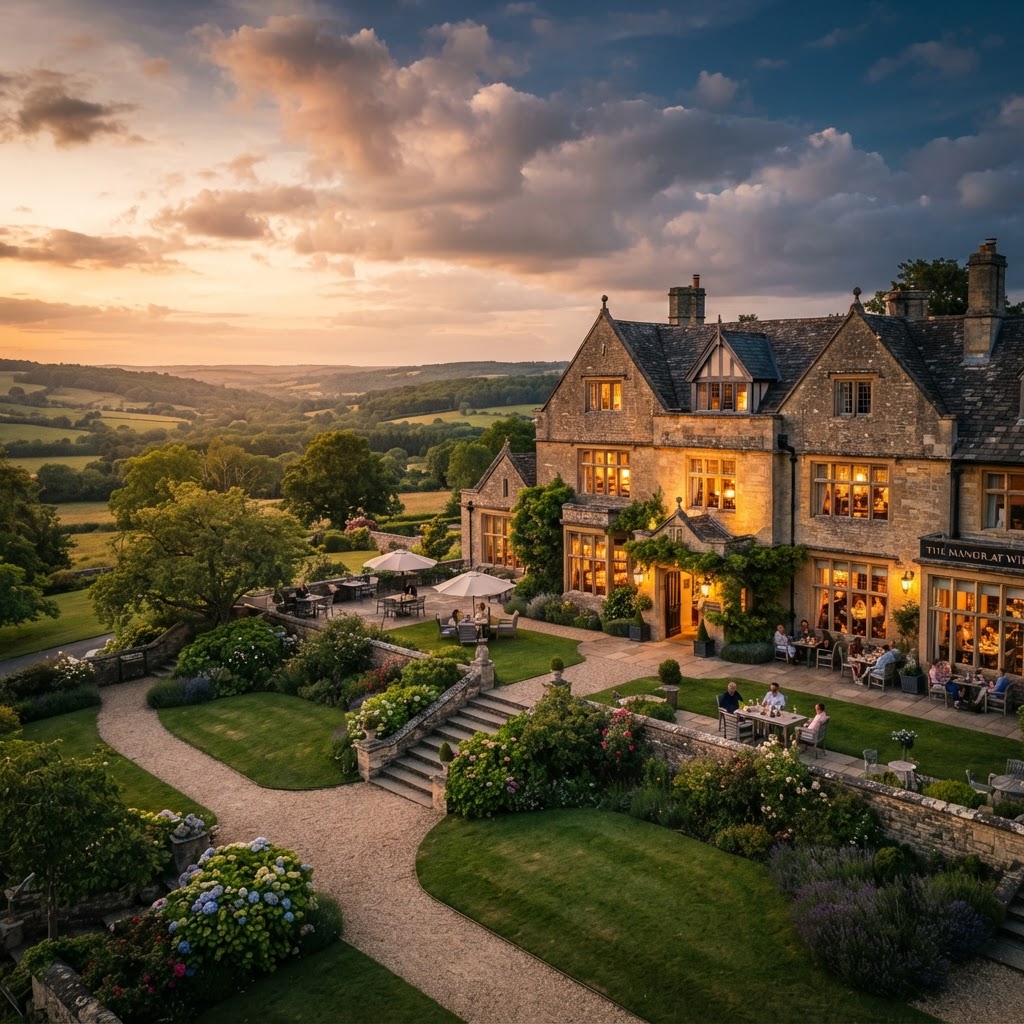
Hotel renovation loans provide the essential capital to transform outdated properties into competitive, revenue-generating assets. Whether you're upgrading guest rooms, modernizing facilities, or expanding your hospitality business, securing the right financing is critical for maximizing returns. This comprehensive guide explores all financing options—from traditional bank loans and SBA-backed solutions to alternative lending and hospitality-specific funding programs. We'll break down loan structures, eligibility criteria, cost recovery strategies, and expert tips for securing approval while maintaining cash flow. Stay4Hospitality combines marketplace insights with decades of hospitality investment expertise to help you navigate renovation financing with confidence.
Key Takeaways
- Hotel renovation loans typically cover 60-80% of project costs, with repayment terms ranging from 5-25 years depending on loan type.
- Hospitality-specific lenders often offer more flexible terms than traditional banks by considering future revenue potential.
- Refurbishment financing can be structured through commercial mortgages, equipment loans, or government-backed programs like the SBA 504 loan (US).
- A detailed renovation plan with ROI projections increases approval odds by demonstrating cost recoverability.
- Alternative lenders may finance renovations faster than banks but often at higher interest rates (1.5-3x prime rate).
- Tax incentives like capital allowances (UK) or depreciation benefits (global) can offset renovation financing costs.
- Lenders typically require 6-12 months of cash reserves post-renovation to mitigate operational risk.
Types of Hotel Renovation Loans
Financing hotel renovations requires matching the loan structure to the project scope and property type. Hospitality operators globally choose from these core options:
Commercial Mortgages for Hotel Refurbishment
Best for: Major structural upgrades, expansions, or property acquisitions with renovation components. Loans typically cover 60-75% of property value post-renovation, with terms spanning 5-25 years. Interest rates vary by region but generally fall within 1.5-3.5% above base rates for prime borrowers.
Key variations:
- UK: Fixed-rate terms dominate, with lenders requiring minimum 25% equity for independent hotels
- US: Adjustable-rate mortgages (ARMs) are common, especially for branded properties
- EU: Green renovation mortgages often offer 0.25-0.75% rate discounts for energy-efficient upgrades
Equipment & FF&E Financing
Best for: Furniture, fixtures, and equipment (FF&E) replacements without structural changes. Specialized lenders fund 80-100% of equipment costs with terms matching asset lifespans (3-10 years). Hospitality-specific programs may include:
- Soft goods revolving loans (linens, uniforms)
- Kitchen equipment leases with upgrade options
- Technology packages (PMS systems, keyless entry)
Term Loans & SBA-Style Programs
Best for: Mid-scale renovations ($250k-$5m range) where cash flow supports repayment. Global variations include:
- US SBA 7(a) loans: Government-guaranteed up to 85% for qualifying small hotels
- UK Small Business Loans: Typically require personal guarantees and 12+ months trading history
- EU SME Initiative: Offers interest rate subsidies for tourism businesses in designated regions
Bridging Finance
Best for: Short-term capital (6-24 months) during renovation-to-refinance strategies. Lenders advance 65-75% of future value, with rates 1-2% higher than traditional mortgages. Commonly used for:
- Repositioning independent hotels before sale
- Completing renovations to meet franchise standards
- Seasonal cash flow gaps during construction
Eligibility Requirements for Hospitality Renovation Funding
Lenders assess hotel renovation loans through dual lenses: borrower strength and project viability. These universal and region-specific factors determine approvals:
Credit & Financial Health Metrics
- Minimum credit scores:
- US: 680+ for conventional loans; 650+ for SBA
- UK/EU: Equivalent to "good" credit ratings (Experian 881+, Equifax 420+)
- Debt-service coverage ratio (DSCR): Most lenders require 1.25-1.35x for existing hotels
- Liquidity reserves: 3-6 months of projected debt payments
Property Valuation Methods
Lenders use two appraisal approaches for renovation loans:
- As-is value: Current property worth before improvements
- After-repair value (ARV): Projected worth post-renovation
Loan amounts typically cap at:
- 75% of ARV for commercial mortgages
- 90% of equipment cost for FF&E financing
- 100% of hard costs for government-backed programs
Business Plan Requirements
Renovation loans demand detailed projections including:
- Occupancy rate comparisons (market benchmarks vs. projected)
- ADR increase justification with compset analysis
- Renovation timeline with phased cash flow impacts
- Contractor bids for cost validation
Regional variations:
- US: SBA loans require 10-year projections
- UK: Lenders often mandate RICS-approved valuations
- EU: Green renovation plans may qualify for fast-track approval
Calculating Refurbishment Costs vs. Loan Amounts
Smart renovation financing starts with accurate cost benchmarking and loan structuring. Hospitality operators should plan using these metrics:
Per-Room Renovation Cost Ranges
| Upgrade Type | Budget Range (per room) | Typical Loan Coverage |
|---|---|---|
| Cosmetic Refresh | $3k-$8k | 80-100% |
| Full FF&E Replacement | $12k-$25k | 75-90% |
| Bathroom Remodel | $15k-$30k | 70-85% |
| Structural Renovation | $40k-$75k+ | 60-75% |
Loan-to-Cost Ratios by Project Type
Lenders calculate maximum loan amounts differently based on renovation scope:
- Soft renovations: Up to 100% LTC (loan-to-cost) for non-structural work
- Hard renovations: Typically 75-85% LTC due to higher risk
- Mixed projects: Weighted averages based on work categories
Funding Gap Strategies
When loan amounts fall short of total costs, operators use:
- Phased renovations: Prioritize revenue-generating areas first
- Vendor financing: Negotiate extended payment terms with contractors
- Owner equity injections: Often required for 15-25% of project costs
- Mezzanine debt: Subordinate loans covering 10-20% of needs
Key calculation tip: Always include 15-20% contingency for:
- Construction delays
- Material price fluctuations
- Unexpected structural issues
Government-Backed Hotel Renovation Programs
Several jurisdictions offer specialized financing programs for hospitality upgrades, each with distinct eligibility rules:
United States Options
SBA 504 Loan Program:
- Funds 40% of project costs (combined with bank loan)
- Fixed rates below market (typically 2.5-3.5%)
- Requires:
- 10% owner equity
- Net worth under $15m
- Job creation or retention
HUD 221(d)(4) Loans:
- For 100+ room hotels needing major renovations
- 35-year amortization available
- Must meet HUD energy standards
United Kingdom Programs
Regional Growth Fund (RGF):
- Grants covering 10-30% of renovation costs
- Prioritizes:
- High-unemployment areas
- Tourism-dependent regions
- Heritage property conversions
Business Energy Investment Scheme:
- Covers 30-50% of green upgrades
- Includes:
- HVAC replacements
- Insulation improvements
- Renewable energy systems
European Union Initiatives
ERDF Tourism Grants:
- Available in designated regions
- Funds 25-70% of qualifying costs
- Requires:
- Sustainability components
- Year-round employment commitments
- Accessibility upgrades
COSME Programme Loans:
- For SMEs expanding accommodation capacity
- €150k-€1m loan amounts
- Interest rebates for early repayment
Important caveats:
- US programs often exclude casinos/nightclubs
- UK grants may require matching private funds
- EU funds typically mandate public benefit components
Alternative Financing for Hospitality Upgrades
Beyond Traditional Banks: Creative Funding Solutions
Hotel owners often overlook non-bank financing options that can provide faster approvals or flexible terms tailored to renovation projects. Here’s a breakdown of alternative funding sources with their respective advantages and risks:
Private Lenders & Hard Money Loans
- Best for: Urgent renovations requiring quick capital (funds in 7-14 days vs. 60+ days for banks)
- Terms: Typically 1-3 years, interest rates between 8-15%, secured by property equity
- Risk: Higher short-term costs but avoids delays in critical upgrades
Crowdfunding Platforms
- Best for: Boutique hotels with strong brand stories that attract individual investors
- Models: Debt-based (repay investors with interest) or equity-based (share future revenue)
- Example: A coastal B&B raised £250,000 via crowdfunding to add eco-friendly rooms, offering investors 5% annual returns + discounted stays
Equipment Vendor Financing
- Best for: Targeted upgrades like kitchen overhauls or HVAC systems
- Advantage: Often 0% interest if paid within 12-24 months; vendors may handle installation
Sale-Leaseback Arrangements
- Strategy: Sell key assets (e.g., land, buildings) to investors and lease them back to free up capital
- Consider: Long-term lease costs vs. immediate liquidity for renovations
Key Decision Factors:
- Speed vs. cost trade-offs
- Alignment with project timelines (e.g., vendor financing for quick equipment swaps)
- Impact on ownership control (equity-based options dilute ownership)
Structuring Loans to Align with Renovation Phases
Phased Funding: Matching Capital to Construction Milestones
Renovation loans perform best when disbursements sync with project stages. This minimizes interest costs and ensures funds are available when needed.
Typical Hotel Renovation Phases & Financing Strategies:
| Phase | Loan Disbursement Trigger | Recommended Structure |
|---|---|---|
| Design & Permits | Architectural plans approved | 10-15% upfront for soft costs |
| Demolition/Gut | Contractor mobilization | 20% released after demolition completion |
| Structural Work | Inspection sign-offs | 30% in progress payments |
| FF&E Installation | Delivery receipts | 25% upon furniture/fixtures delivery |
| Punch List | Certificate of occupancy | Final 10% holdback |
Pro Tips:
- Contingency Buffer: Negotiate a 10-15% reserve drawdown for unforeseen costs (common in historic hotel retrofits)
- Interest-Only Periods: Request 6-12 months of interest-only payments during active construction
- Documentation: Lenders may require architect-certified progress reports for each draw request
Case Example: A 50-room hotel secured a £1.2M loan with five tied disbursements, saving £18,000 in interest by avoiding full early drawdown.
Common Mistakes in Hotel Renovation Financing
Pitfalls That Derail Hospitality Upgrade Projects
1. Underestimating Soft Costs
- Issue: Focusing solely on construction bids while ignoring design fees (£50-£120/sqft), permits (£5,000-£30,000), or temporary closure losses
- Fix: Allocate 20-25% of total budget to non-construction items
2. Overleveraging Cash Flow
- Risk: Taking debt that requires 80%+ occupancy post-renovation when historical averages are 65%
- Solution: Model repayments at 10-15% below projected occupancy
3. Mismatched Loan Terms
- Example: A 5-year loan for renovations that won’t boost revenue for 7+ years (common in luxury repositioning)
- Better Fit: 10-year amortization with balloon payment options
4. Ignoring Working Capital Gaps
- Problem: Funding runs out during ramp-up period when marketing costs spike
- Prevention: Secure a 6-month operating reserve line of credit
5. DIY Cost Projections
- Mistake: Owners estimating based on residential renovation experience
- Reality: Commercial hospitality projects cost 25-40% more per sqft due to safety systems, ADA compliance, and specialized finishes
Next Steps: Preparing Your Loan Application
The Hospitality Investor’s Loan Readiness Checklist
Lenders approve renovation loans faster when applications demonstrate professional planning. Gather these essentials:
1. Project Documentation
- Signed architect/engineer plans with cost breakdowns
- General contractor bids (minimum 3 for comparison)
- Municipal permit approvals or timeline estimates
2. Financial Records
- Historical: 3 years of P&L statements, occupancy reports, and tax returns
- Projections: 5-year pro forma with renovation impact analysis (use STR benchmarks for credibility)
- Collateral: Recent property appraisal or comps
3. Operational Plans
- Phased closure schedule (if applicable) with revenue loss mitigation
- Post-renovation marketing budget (typically 2-4% of project cost)
4. Professional Partners
- Why Engage Specialists: Hospitality-focused brokers secure 15-30% better terms by matching projects with niche lenders
- Timing: Involve them before finalizing renovation scope to structure debt optimally
Final Tip: Present a "worst-case scenario" alongside projections—lenders appreciate transparency about risk mitigation.
Frequently Asked Questions
Related Resources
Reader Feedback
Share your thoughts on "Hotel Renovation Loans: How to Finance Property Upgrades". Feedback is reviewed by AI and must relate to this topic before it's published.